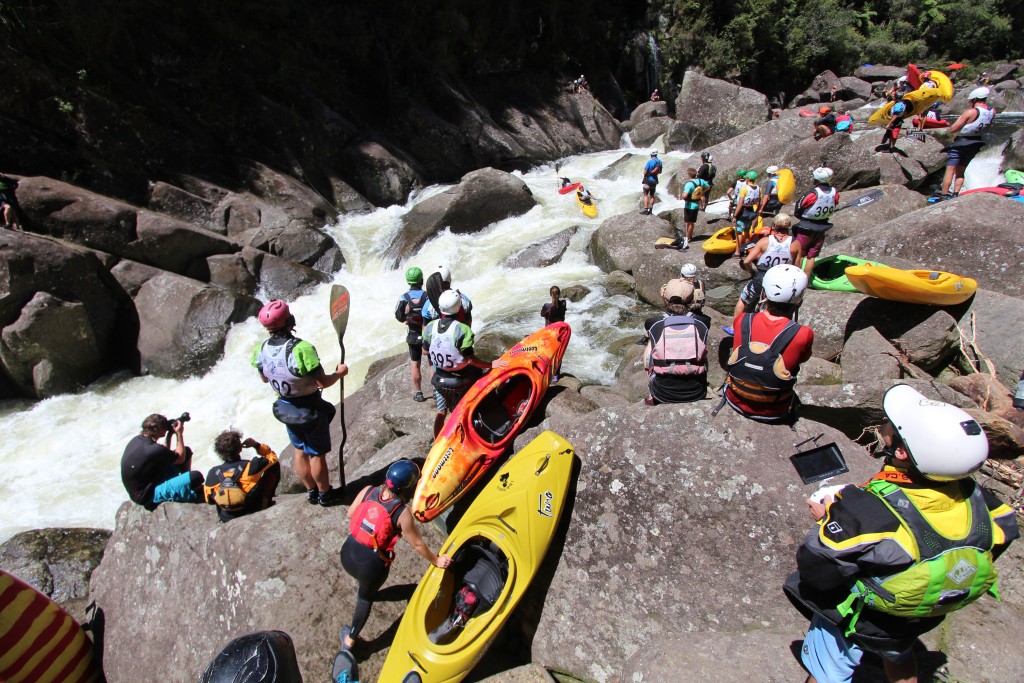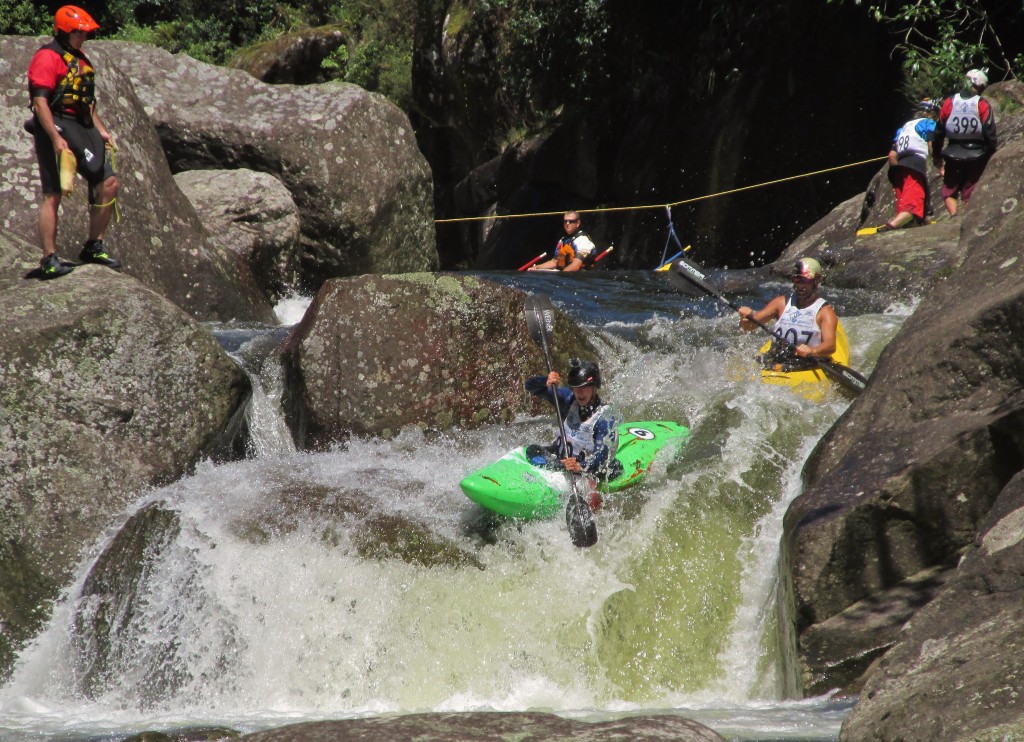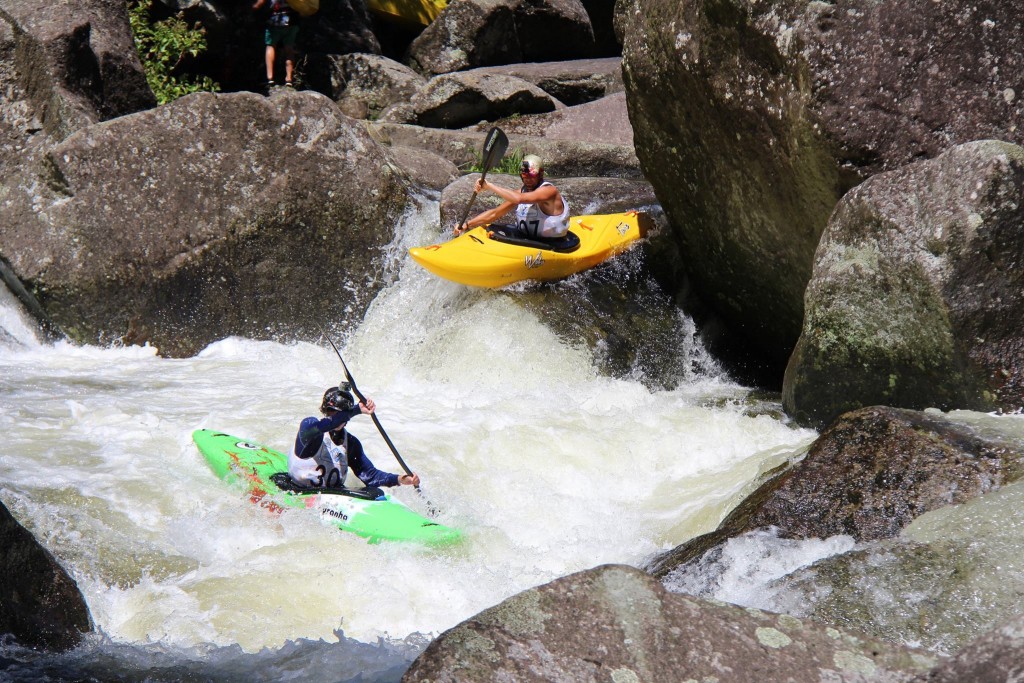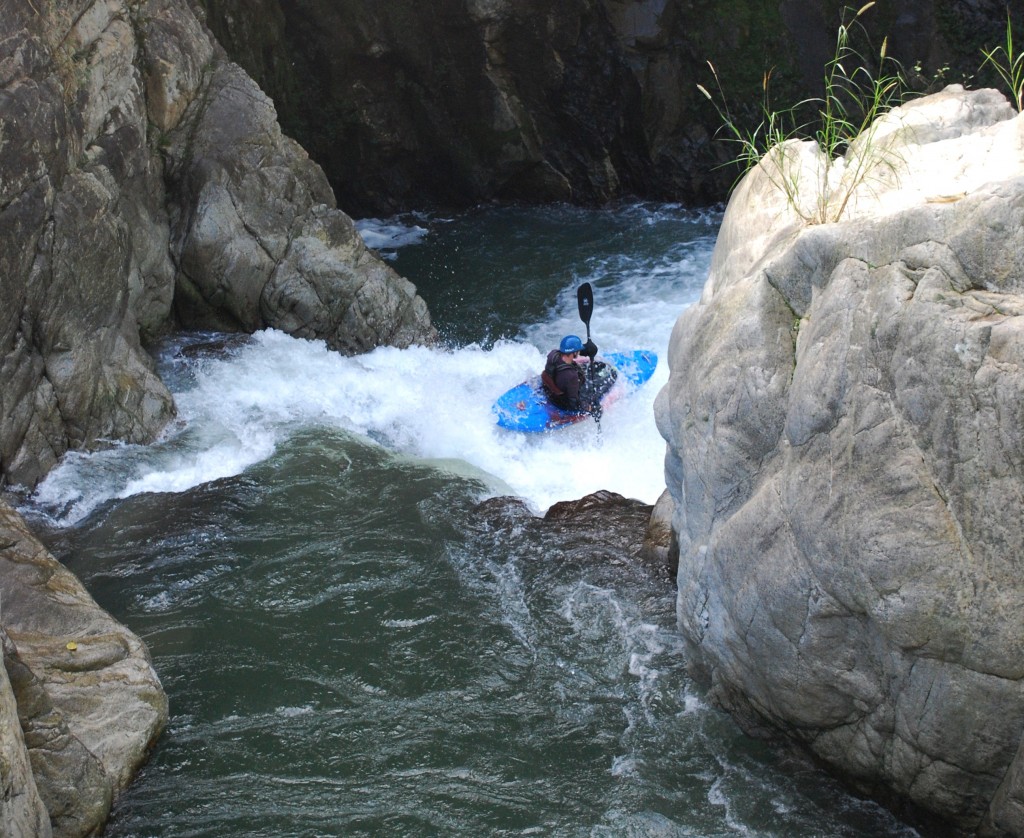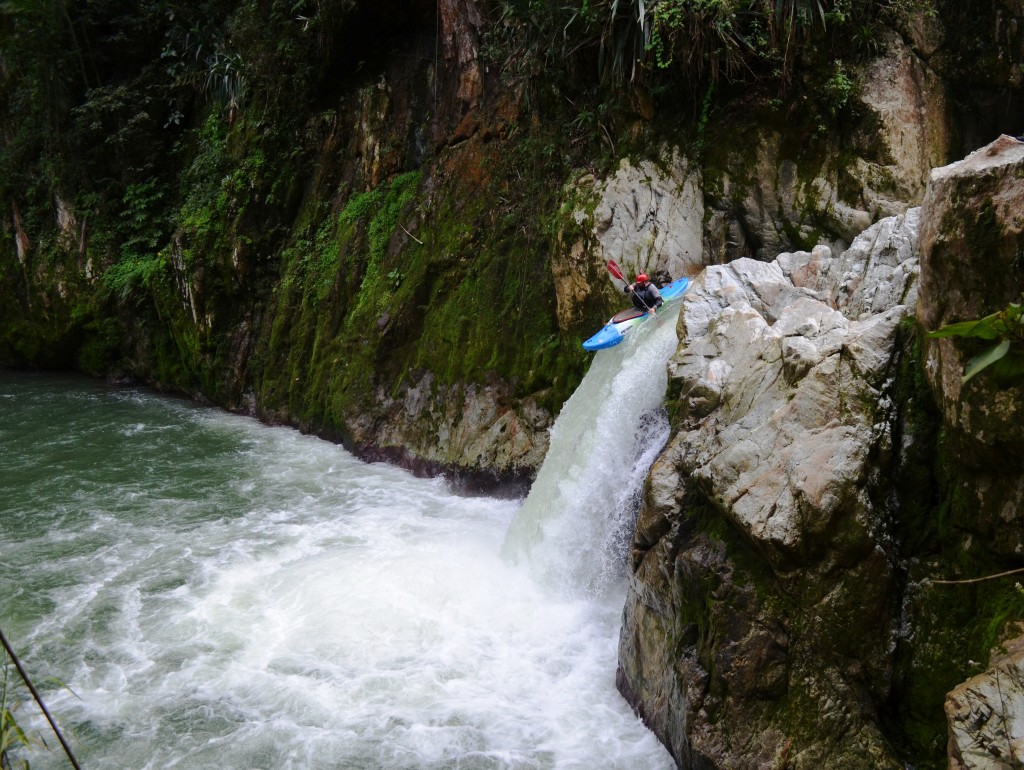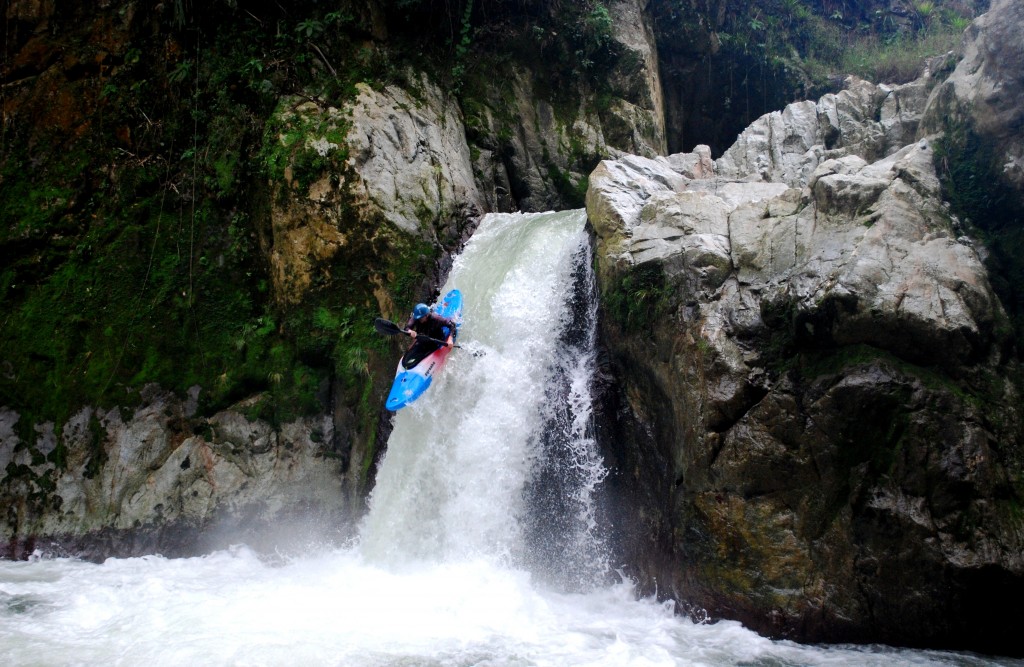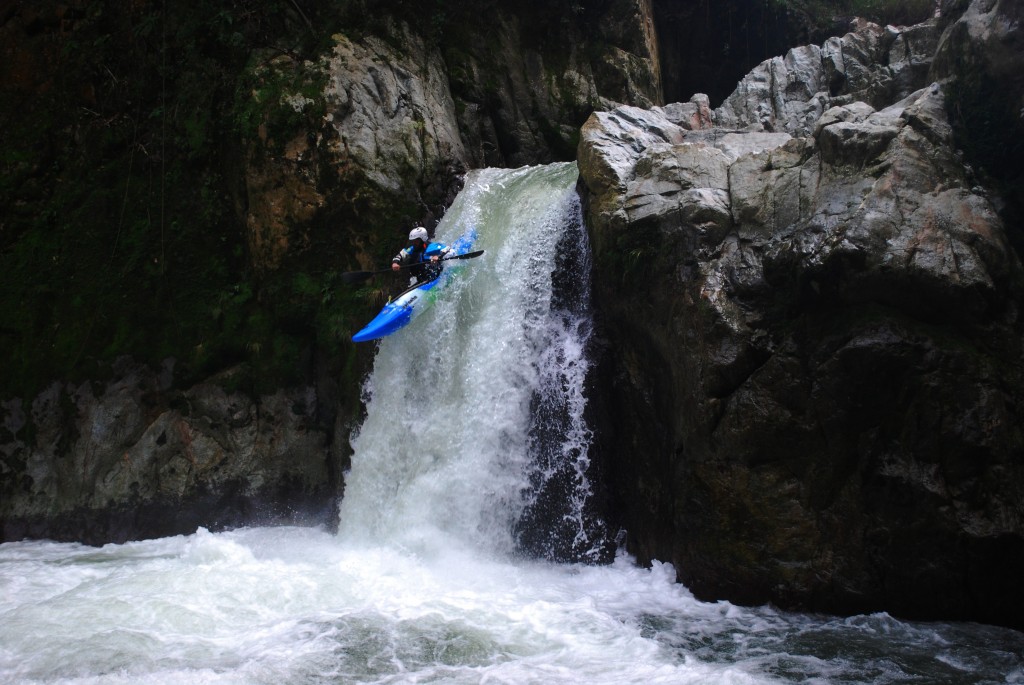


Growing up as an enthusiastic female kayaker and learning to paddle with family and friends of all genders and ages, I didn’t really realise there was a gender inequality in the sport until I went to University. Despite a number of inspirational female paddlers having been through Leeds University, I still often found myself alone with the boys on the river and even earned myself the nickname “Token Girl” after a club trip to Scotland. However, as the years go on, everywhere I look there are more and more female kayakers. At an event which previously has been nicknamed “sausage fest”, last year there were more women than ever and each time I get on the river I end up bumping in to more awesome and talented ladies. I also feel very lucky to have competed last year in the first Adidas Sickline World Championships where the women’s places sold out and we had our own category!
But now the time has come for me to start looking for a new drysuit. Amongst the confusion of zip styles, breathable materials and hydrophobic properties, there really is only one question on every discerning female kayaker’s mind…
…do I want pink, purple or baby blue? It’s a difficult decision and one that any woman buying outdoors kit has had to struggle over – not because we really care about whether petal pink or orchid purple will make our eyes pop more, but mainly because I am not really sure why I have to be distinguished as a woman just from the colour of my kit (plus I really, really detest the colour pink!)
Why is it that outdoor retailers insist on making our kit in “girly” colours? Are they worried that we’ll be so busy charging lines and surfing waves that we might forget we are the proud bearers of ovaries? I’ve heard the argument that it costs too much to manufacture in a range of colours but to me that just further proves my point: surely if you are buying material to be used for the men’s kit then the cost effective choice is to simply use it for women’s kit too? If so, why not offer the same colours to both men and women? I am pretty sure I know some guys who would look fabulous in pink, and I know plenty of women who covet the greens and oranges that are popping up in men’s ranges across various outdoor clothing manufacturers.
In the end, I settled for a men’s drysuit from a company who does not make women’s specific kit. It’s a shame that my shiny new drysuit will not fit as well, but I can understand that for smaller companies the amount they would need to spend on research and development is not justified for such a small market…
But is the market really still that small?
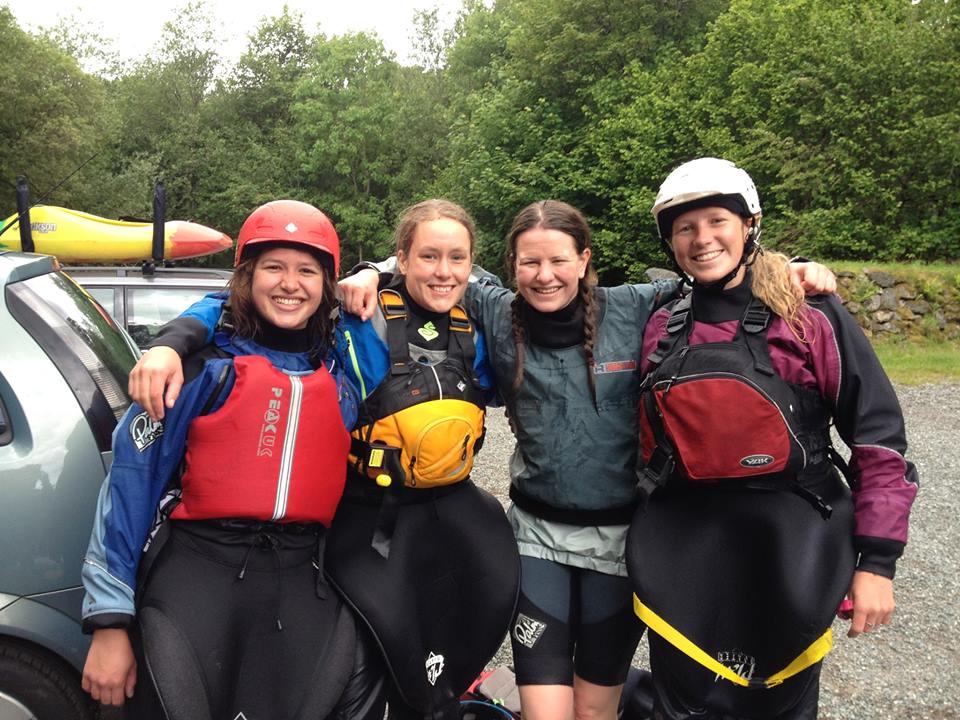
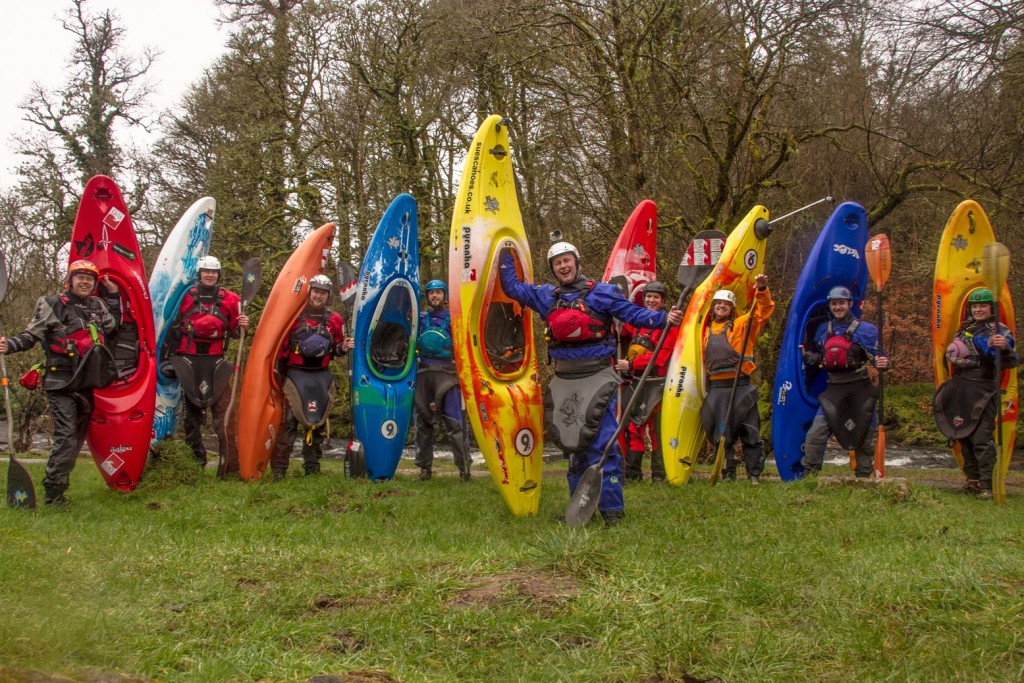
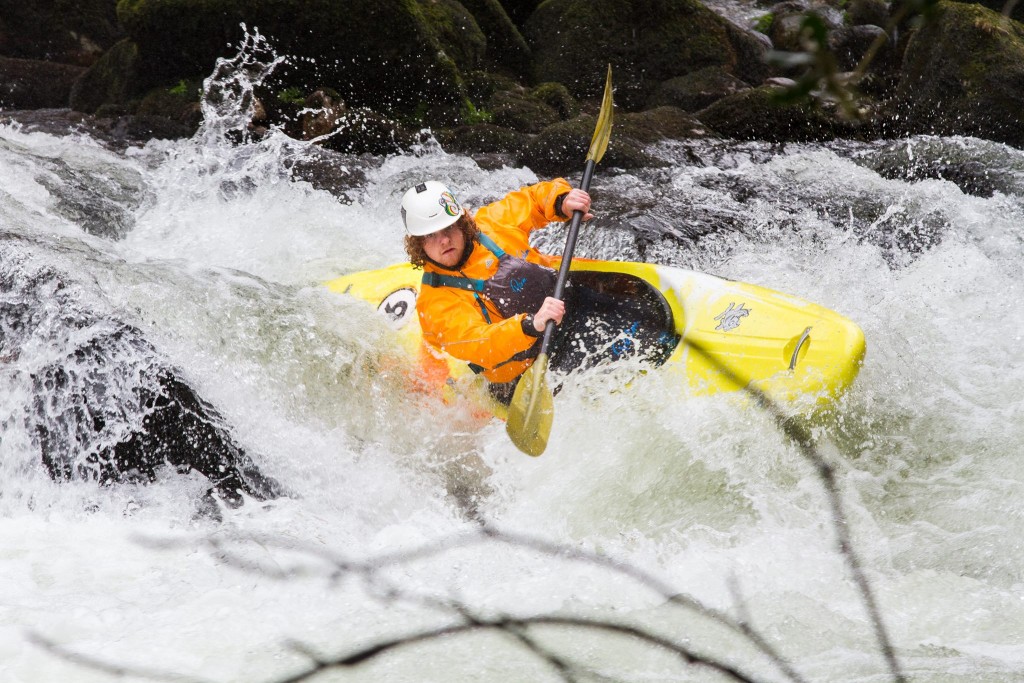
Excited for some lady boating. Photo – Mark Mulrain
I constantly hear the view that kayaking is a “male dominated sport” and although this may still be true at the moment, times are definitely changing and we need to make sure we are keeping up. It is a constant source of frustration for me that despite more women coming up through the sport, the industry is still making it hard for us.
When you look at kayaking events you see examples such as “King of the Alps”, “King of Asia” and “King of New York”. Time and time again I find myself, like Eddie Izzard searching the back streets of Thailand, screaming into the online entry pages “Where are the Queens?”. I have been to events which do not even have a women’s category, despite having 15 female competitors. How much extra time would it really take to have a top 5 final? Why would I bother coming back when I don’t even have a chance of getting into the final, let alone winning a prize?
Prize money is a constant cause of frustration. So many times I’ve been told that of course I can win the prize money, I just have to beat all the men. Given that I start with a genetic disadvantage, is this really fair? If I am paying the same entry fee as the men then I should have the same chance of winning a cash prize. I get that if there are fewer women and the prize money is equal then actually I have a higher chance of winning, which I agree is also not ideal. In that case why not try setting a proportional prize to encourage greater participation or introducing a handicap to scale the times so everyone competes on an equal playing field?
I also think that the media coverage of the women’s competitions is often very poor. I sincerely hope that at Sickline this year they televise the full women’s final rather than spending their hour of airtime purely on setting the scene for the men’s race. Equal coverage has the potential to particularly help women who are just starting in the sport, introducing role models and proving that your gender is not something which should hold you back. There are female paddlers out there and they are good! We need the stories of these women shared loud and proud so that ladies of any age know that they can paddle too.
For a few years now I have grumbled in the background, but given the clear evidence I have seen of the increase in women on the river, at events and in races, I decided that now is the time to speak up.
So here is my plea: there are many awesome women out there in kayaking and in the outdoors in general, so let’s make it easy for them! Give us a better choice of kit, let the racing “Queens” have a shot at some decent prizes and shout about it when we win!
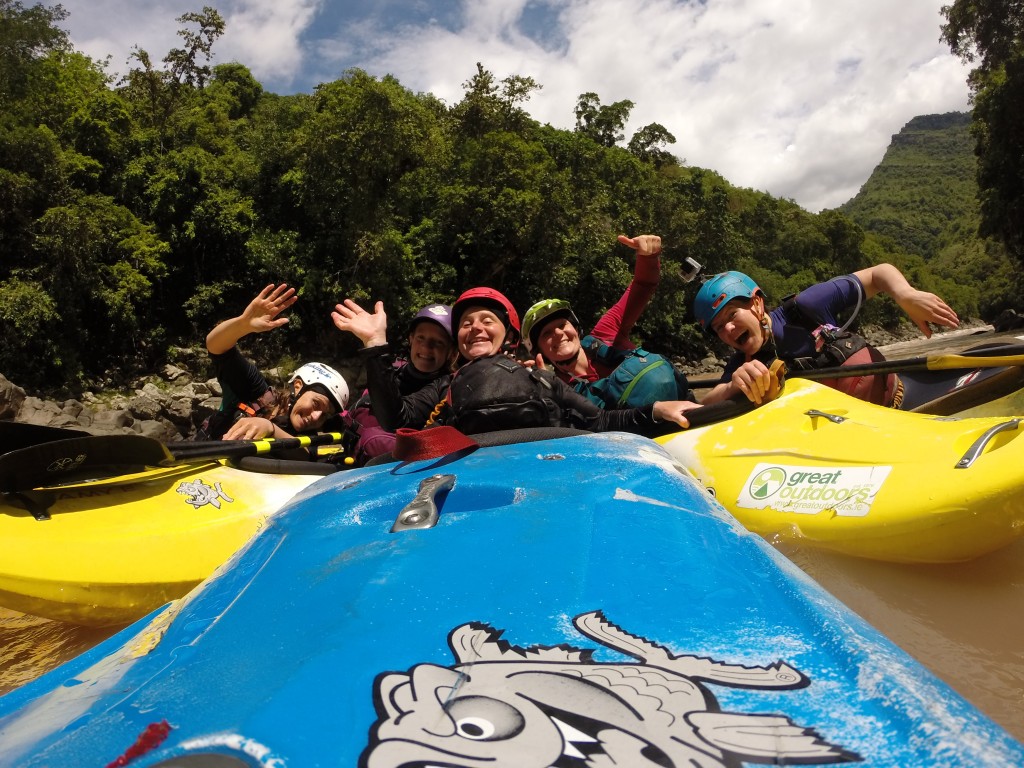
“Girls just wanna have fun” during an expedition in Indonesia. Photo – Beth Hume
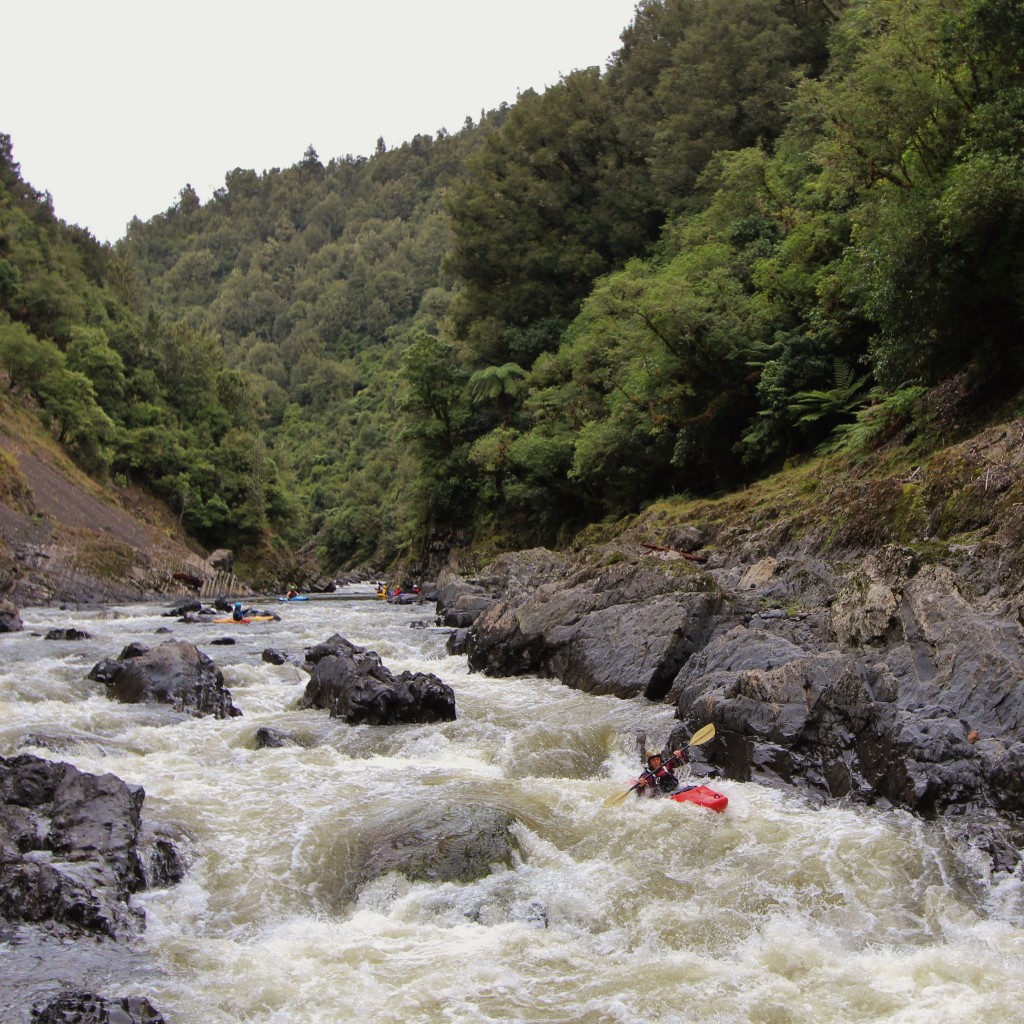
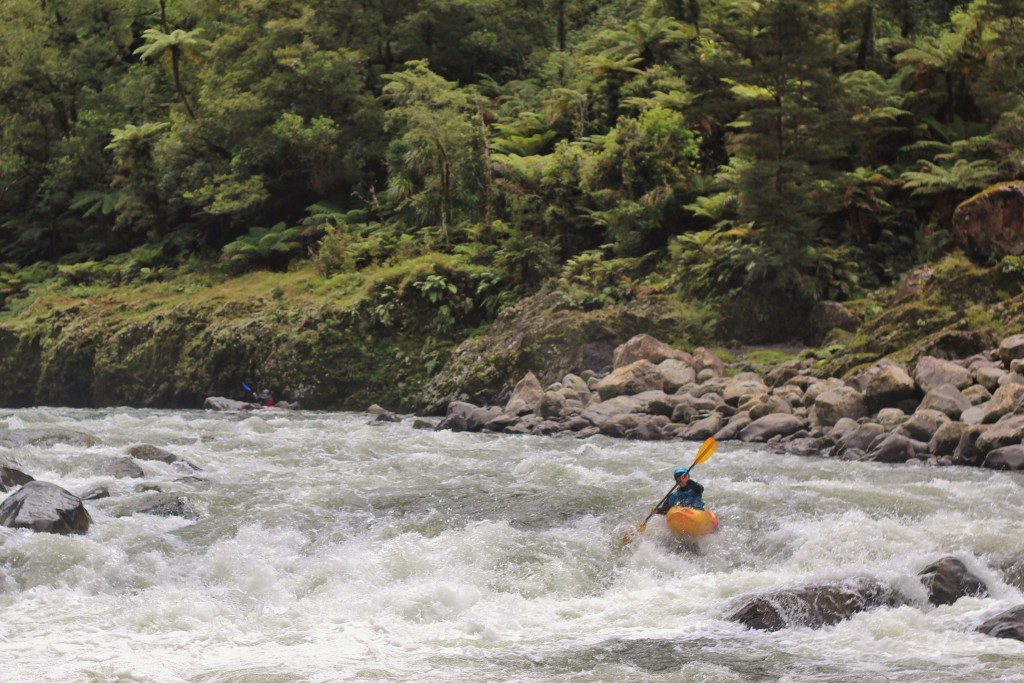
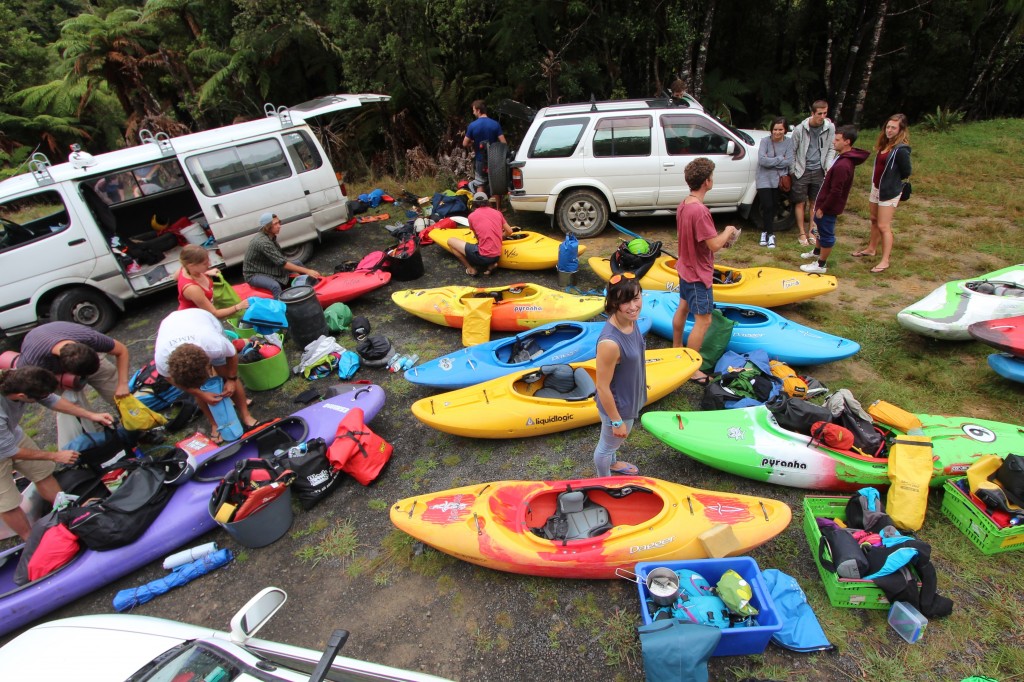 The river flows through the Raukumara Range which was the last area in New Zealand to be mapped, so the rugged and remoteness of the surroundings makes this a river to be remembered. The length and continuous nature of the river is rare on the North Island, so combined with a lack of roads and people, creates a really adventurous trip.
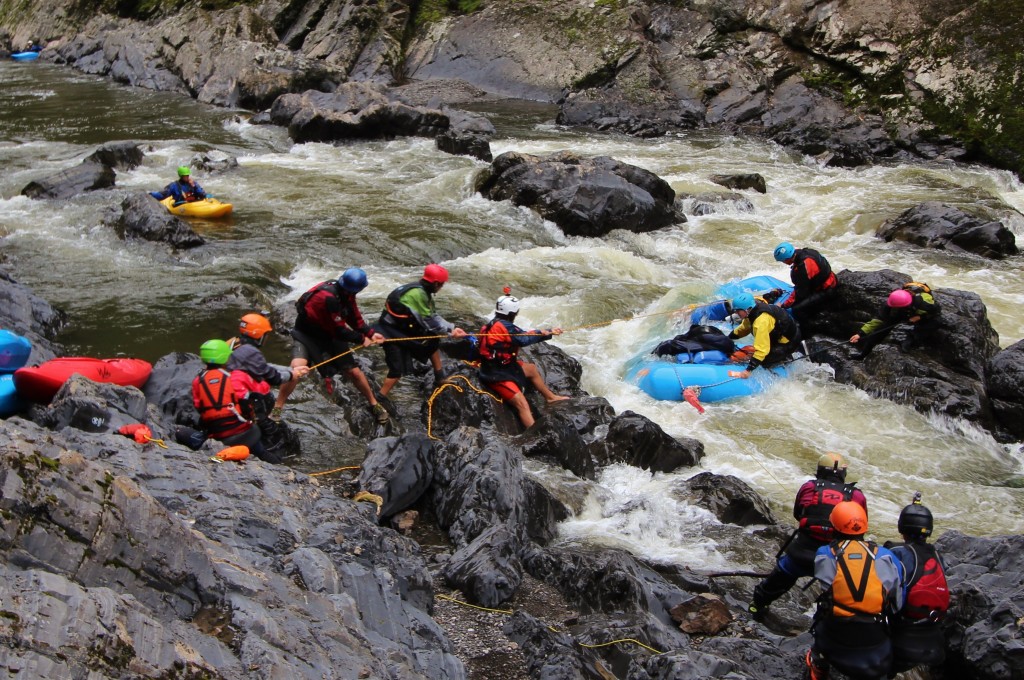 Red dear, wild goats and swooping hawks watched over us as we paddled endless read and run rapids. We only spotted a handful of fisherman and hunters who got helicoptered in to enjoy the wilderness.
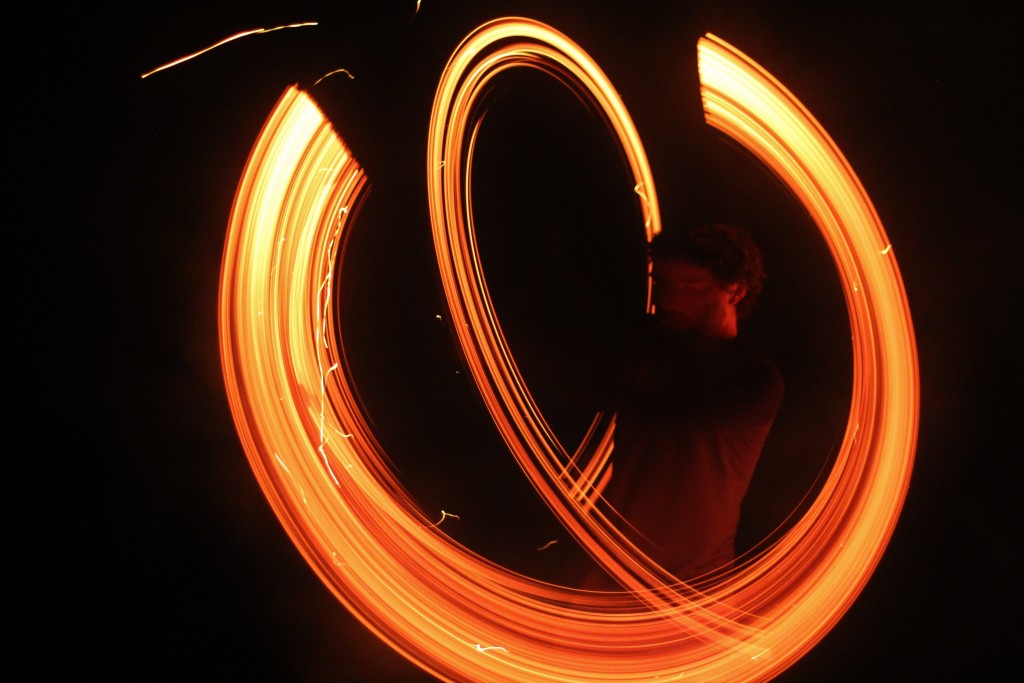
 Awesome campsites dot the river banks, ranging from pristine beaches, to established hunter’s camps and the abundance of firewood kept us warm, as the stars and moon shone overhead.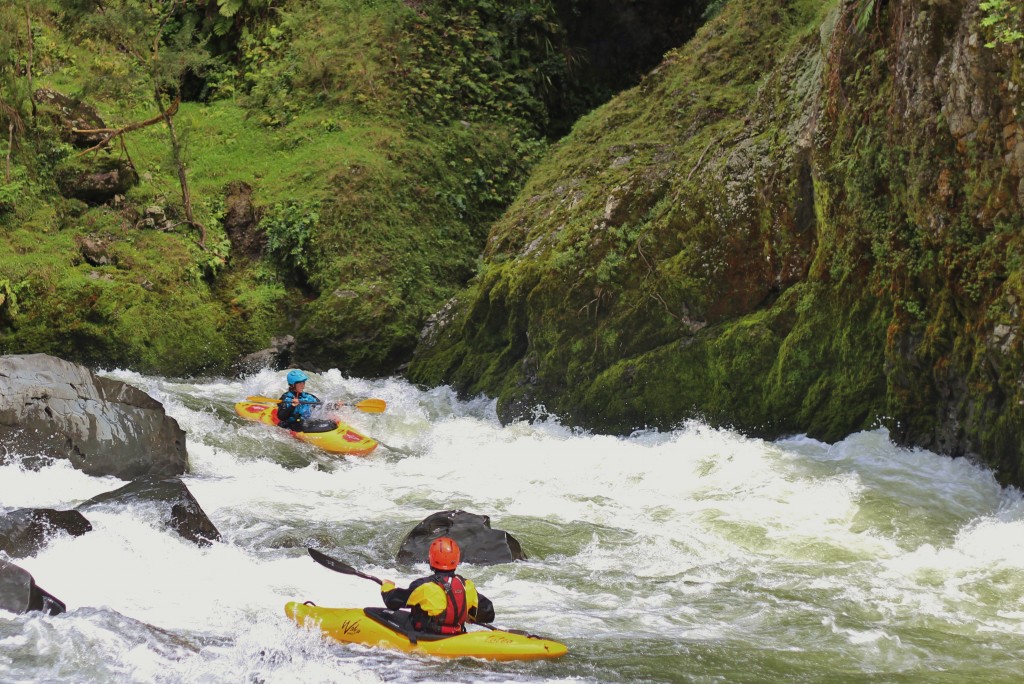
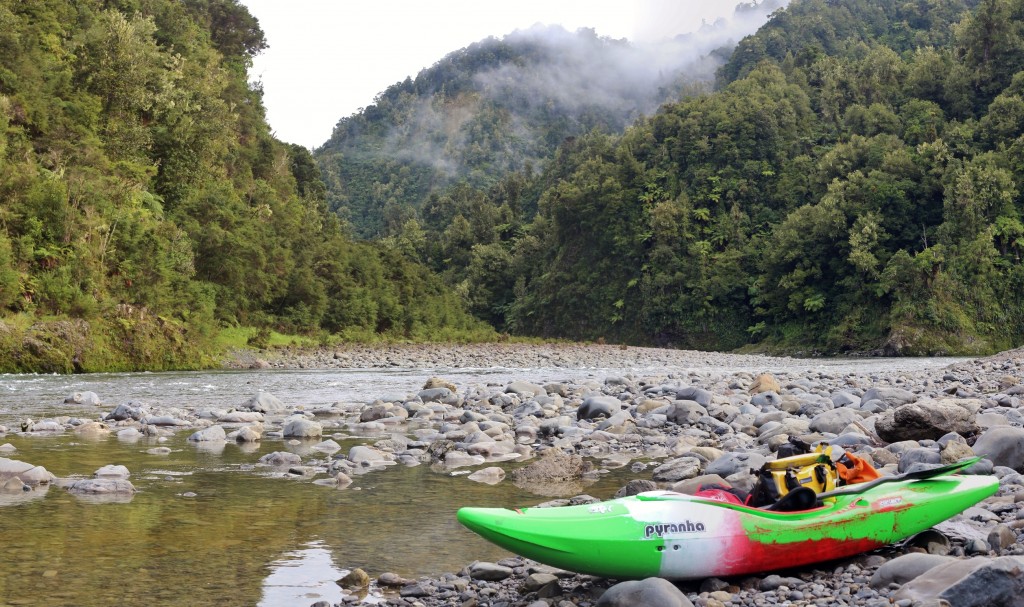
 This was the first time I had paddled the 9r on a multiday and it handled the extra load admirably. A simple re-adjust of the seat kept the weight forward and there was ample space for; stoves, tarps and the all important bag of wine. The speed was awesome for punching holes and hitting big lines, whilst the sculpted edges allowed for accurate boat positioning down the endless, boulder garden rapids.
 The Motu is a must for any paddler wanting to experience the quality and remoteness of North Island whitewater.
 Thanks to Cameron Birch for some epic organisation and to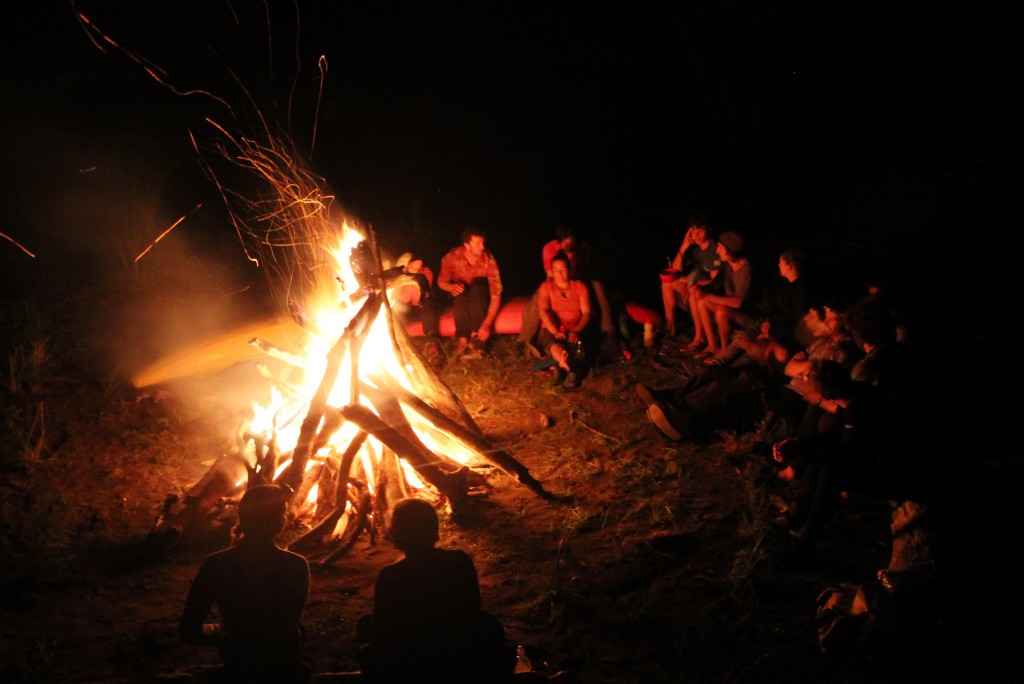
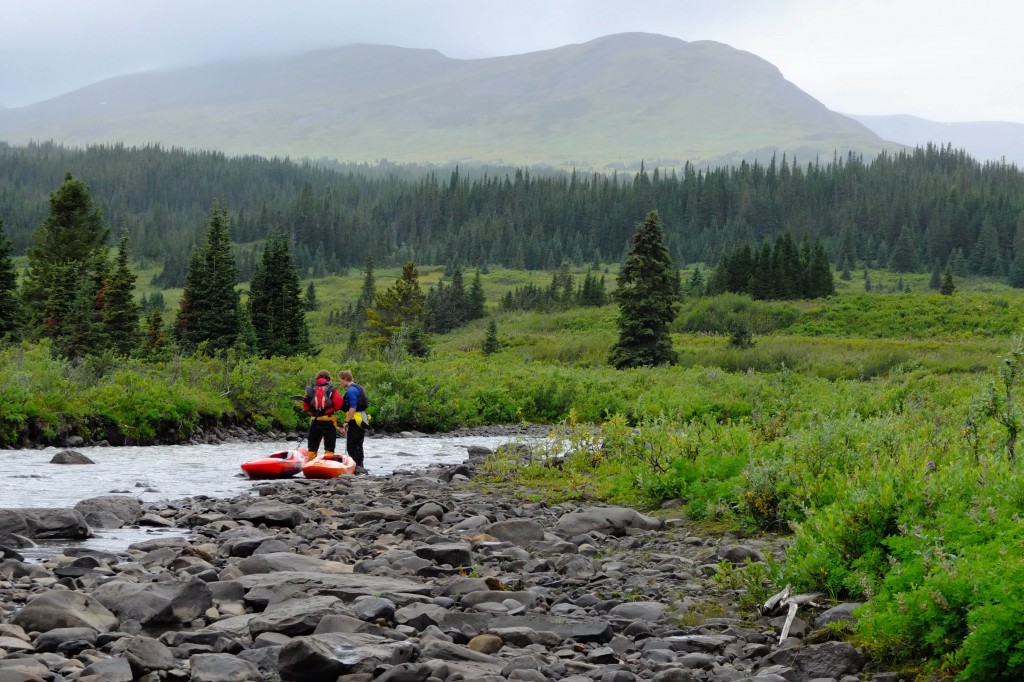
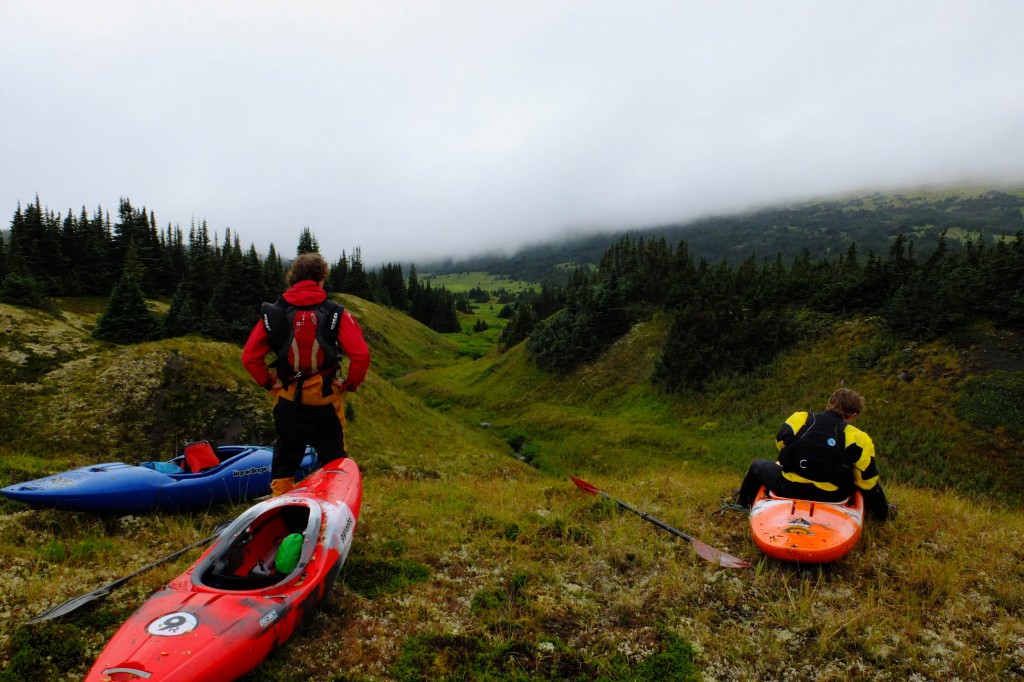
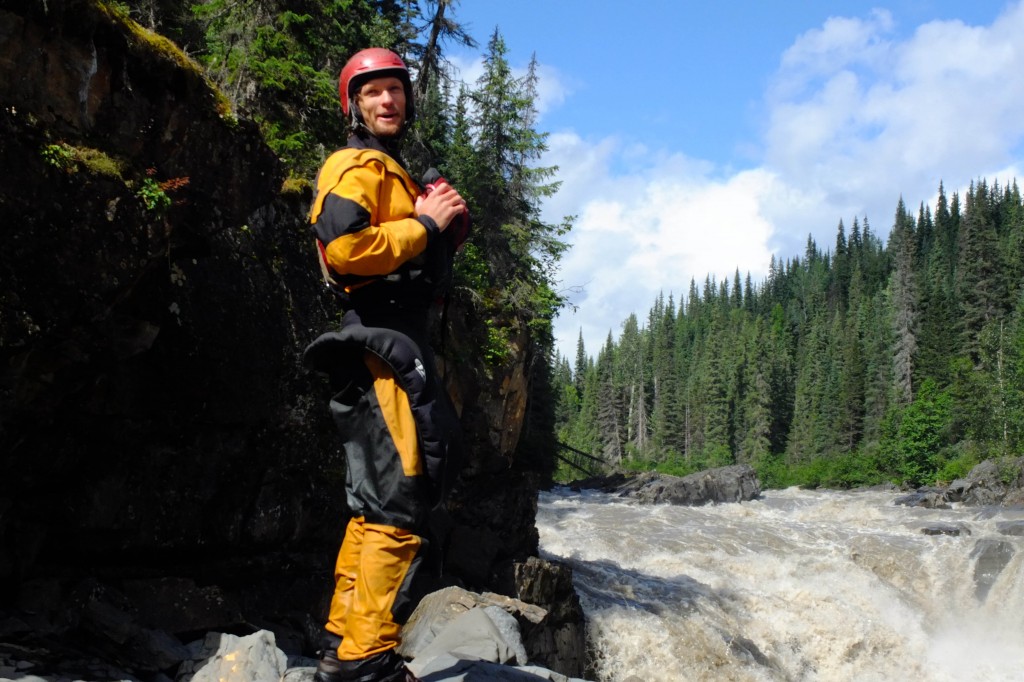
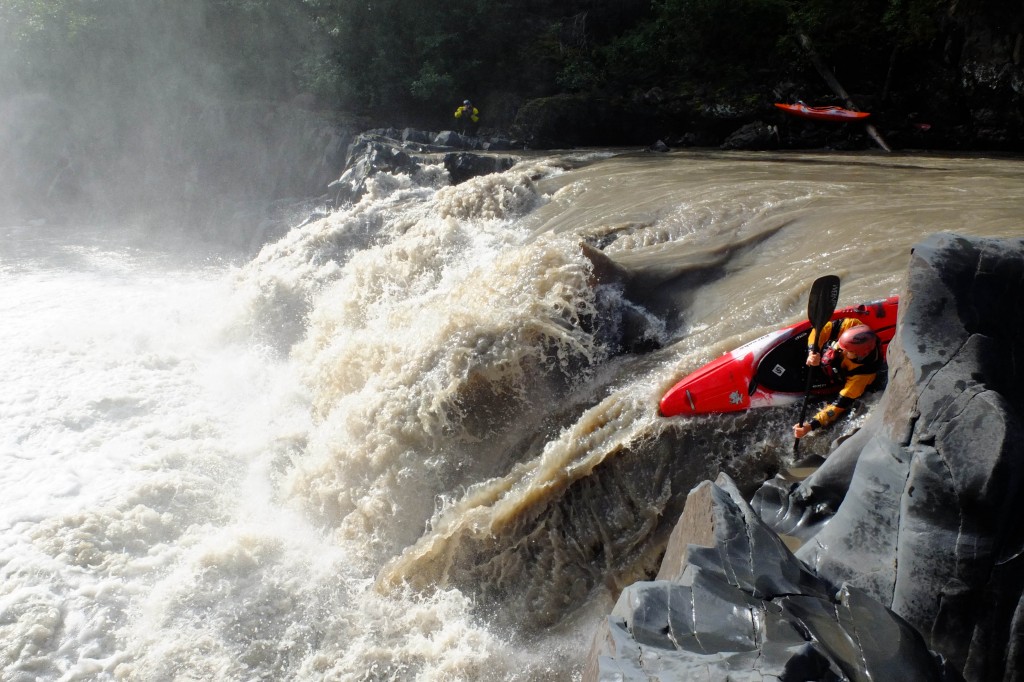
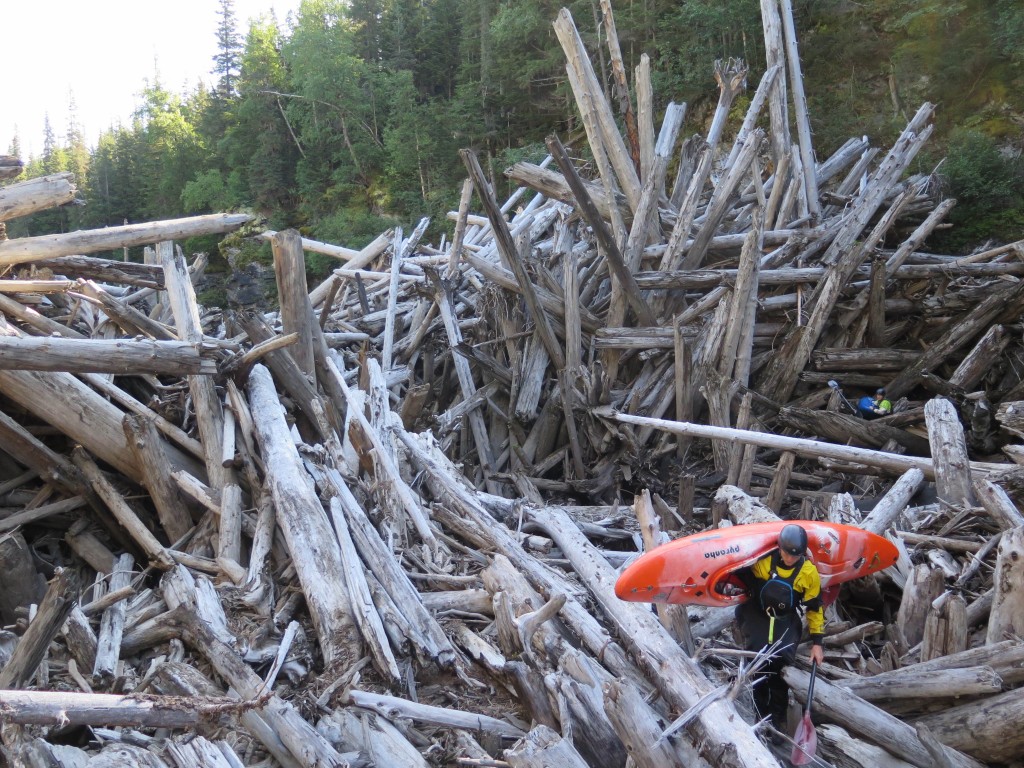
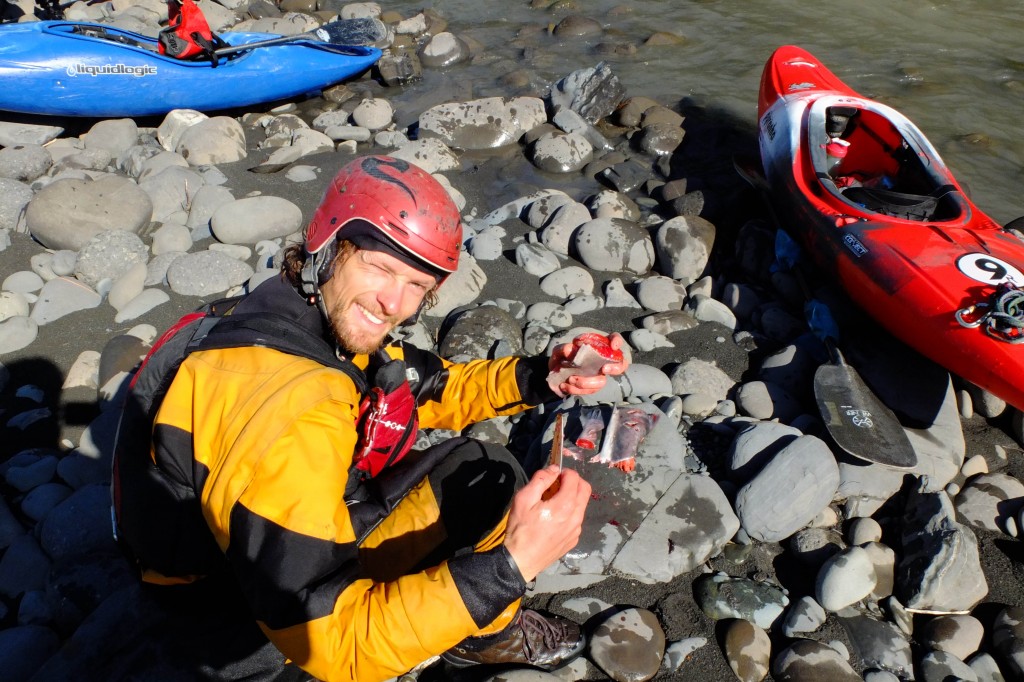
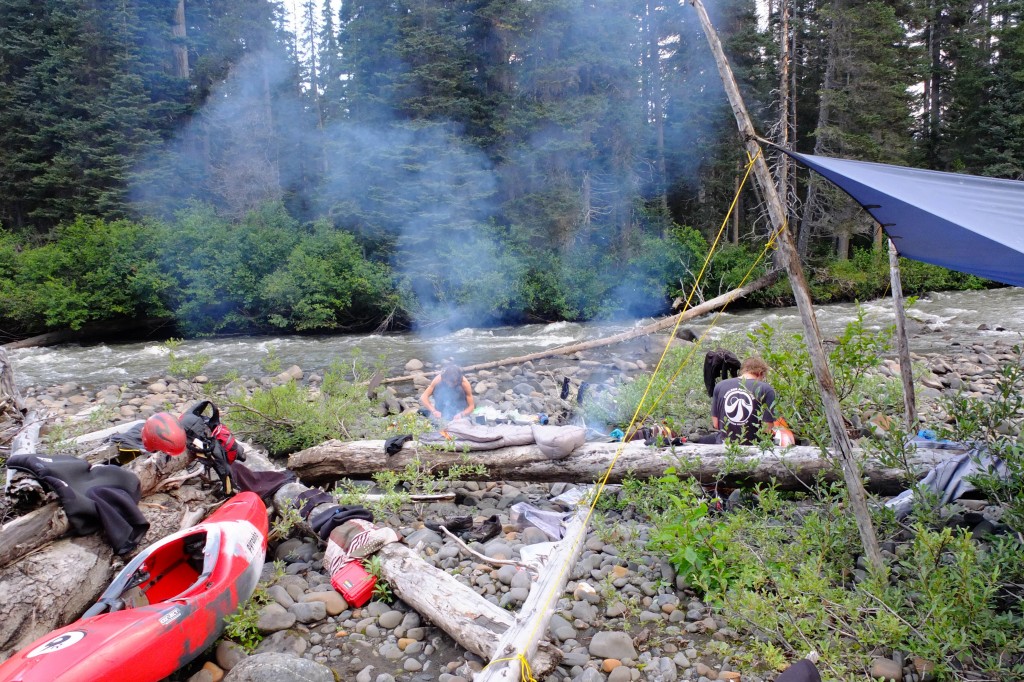
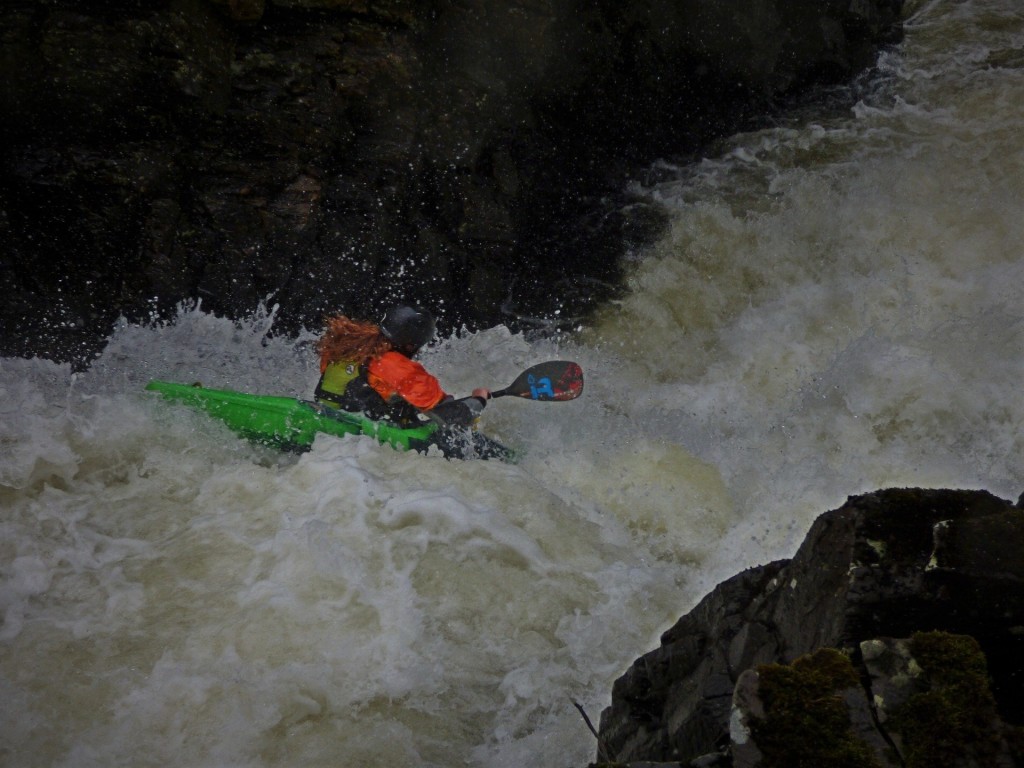
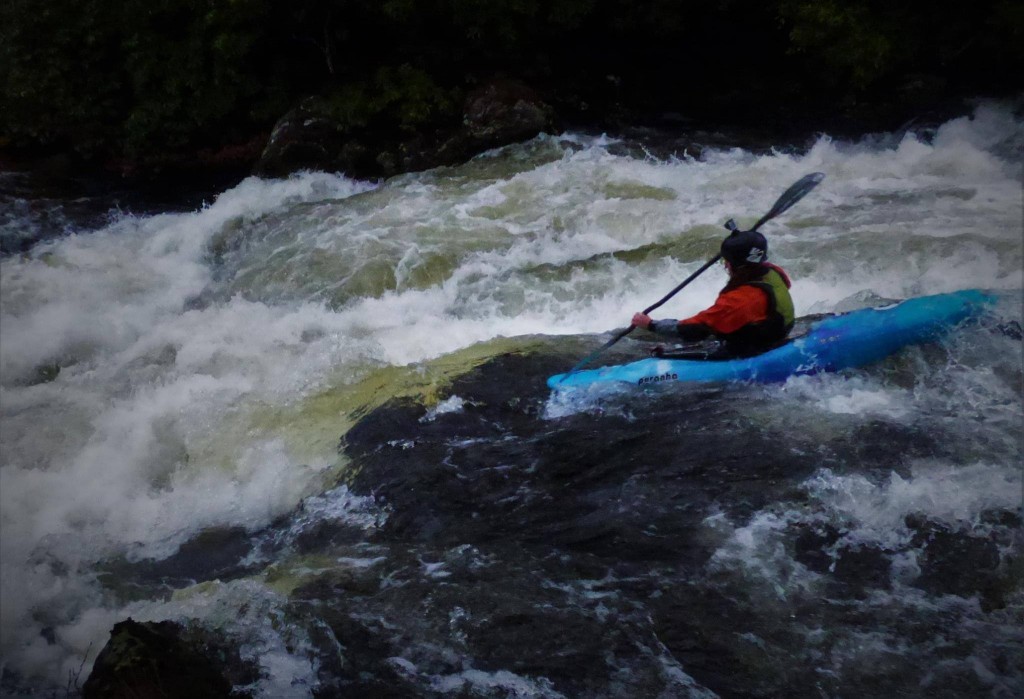
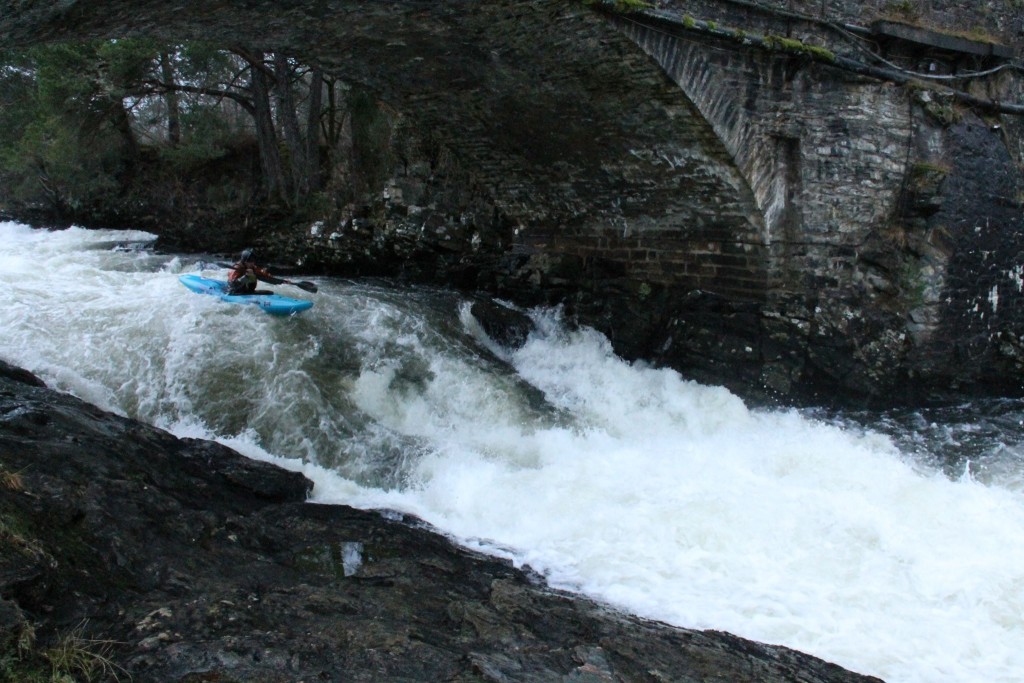





 Rio Yeso, Photo by Kang Ho, Kayaker Tino Specht
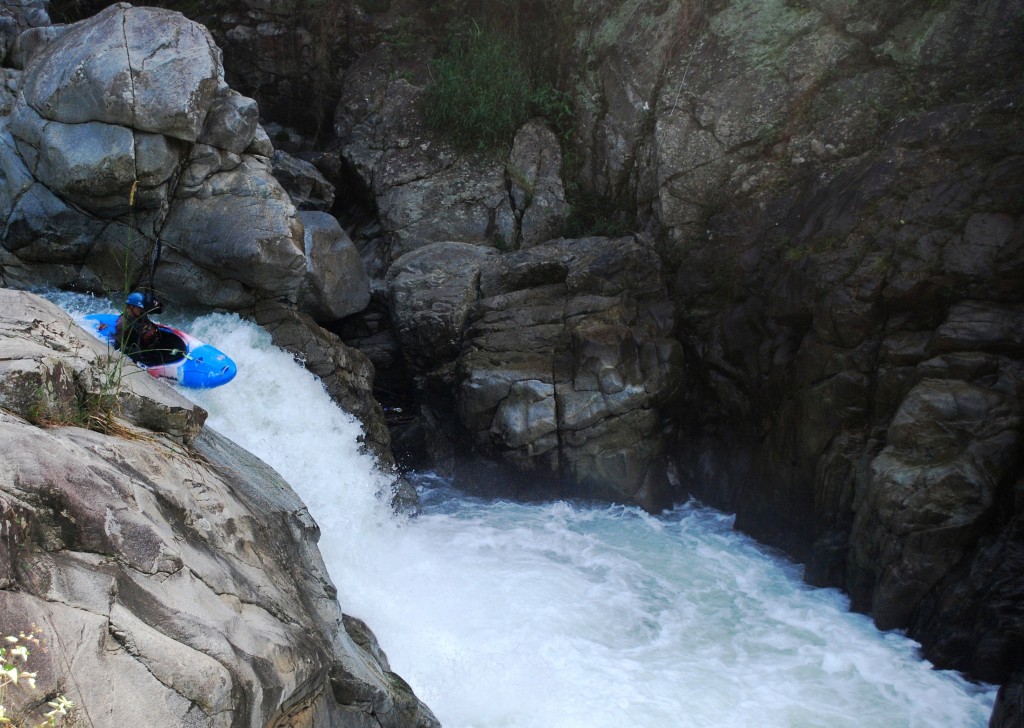
 Frenchman’s corner in Rio Maipo, Photo by Alejandro Campos, Kayaker Kang Ho
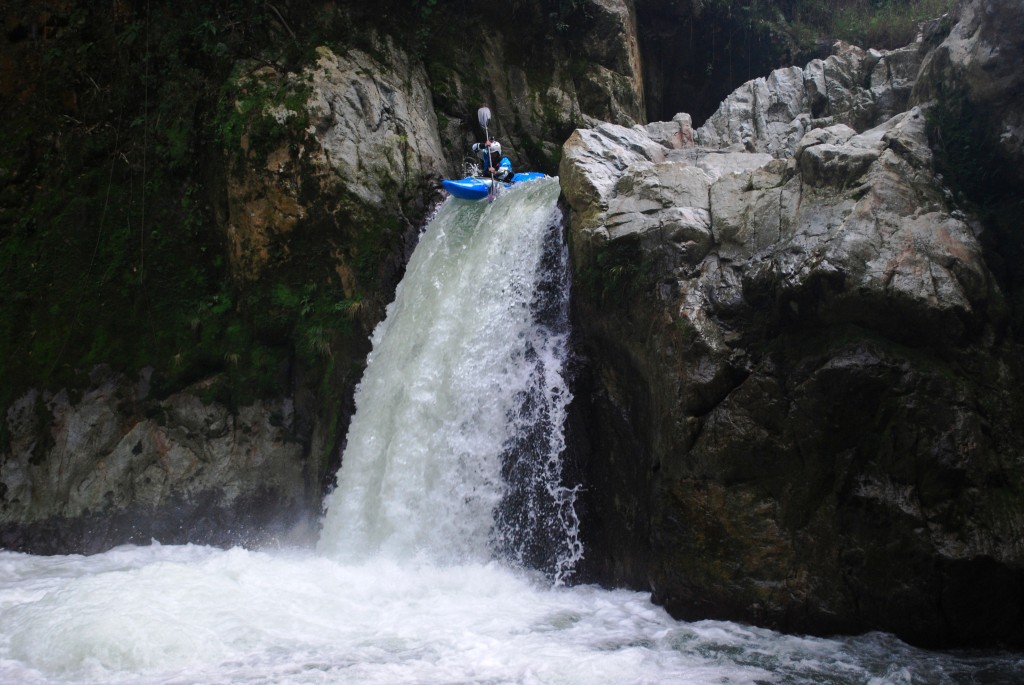
 The seven teacups national park in Rio Claro, Photo by Sergio Vidal Bogdanovic, Kayaker Kang Ho


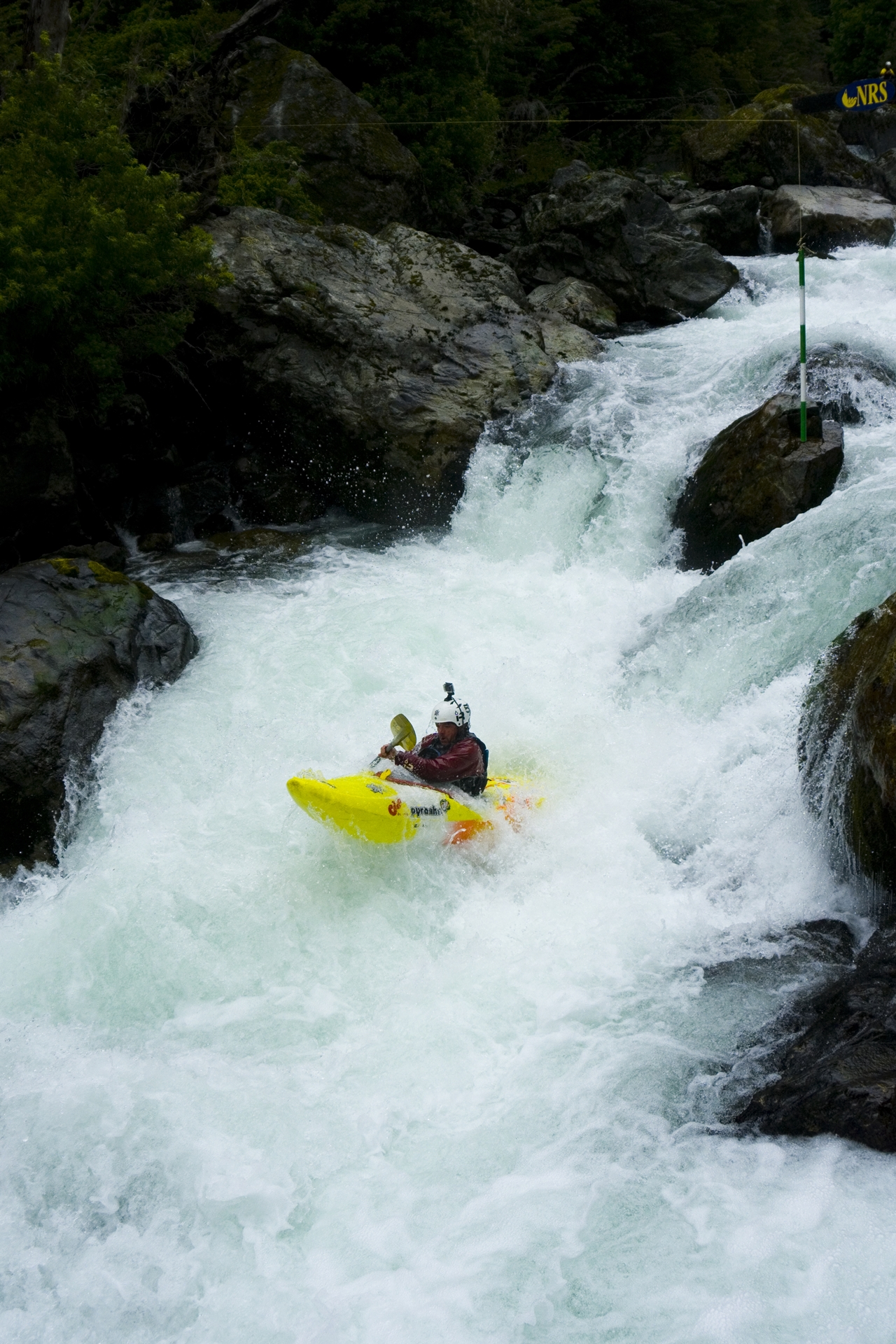 Tres Troncos in Rio Puesco, Photo by Kang Ho, Kayaker Jared Seiler