

Throughout kayaking history, many races have come and gone, but there is one that has been around almost from the beginning of extreme kayak racing and has maintained its position as one of the top races in the world; the Adidas Sickline World Championships.
Born from humble beginnings almost 10 years ago in Austria, Sickline started out as nothing more than a low-key event between friends with the goal to hold a race on a legitimate stretch of grade 5 whitewater. Since then, the popularity and prestige of the event has grown to huge proportions, with almost every top whitewater kayaker / racer in the world attending annually, along with several Olympic slalom athletes and an abundance of up-and-comers.
The race is held on the Oetz river in Austria, and takes place on the legendary Wellerbrücke rapids. Since the race’s conception, much harder whitewater has been descended, and even raced upon, but this rapid maintains its status as being a classic piece of grade 5 whitewater; it is fast, has multiple, tight, technical moves and is exceptionally difficult to be consistent on.

There are many different types of people that come to Sickline, with various reasons for entering; some want to win, some want to use it to challenge themselves, and others want to get a Sickline sticker on their kayak so that they can then go home and tell people how they once competed at Sickline. For myself, my reason for entering this race was much the same as my reason to enter any other race; I like kayaking, and kayak races tend to have kayaking in them…
My goal in kayaking has always been to be the best all-round kayaker that I can be, and to be able to show up to any spot in the world and shred. I am by nature not competitive, but I fully understand the intrinsic link between speed, style, and smoothness – “Smooth is fast, fast is smooth”, and I think being able to move quickly and smoothly down a river is a pretty good test of your overall ability; therefore, my goal for this event was to put down a really smooth, fast, and stylish lap down this challenging section of whitewater.

In order to do that, I would first have to qualify against over 130 other people on an easier section of whitewater. I honestly didn’t think that I would feel as nervous about the odds of making it in as I did, but the simple fact is there are a lot of people at this race and they are all (bloody) quick. Despite some small mistakes in my qualification lap, I managed to qualify in 30th place.
Delighted to be moving on into the quarterfinals and to be able to race on the actual course, I was slightly bemused when one of my friends came up to me with a facial expression that led me to believe that he had perhaps soiled his trousers or once again been rejected by a pretty girl (or both).
“Have you seen who you’re racing against?”
“No?”
“Gerd… you have to race against Gerd (f*@king) Serrasolses!”
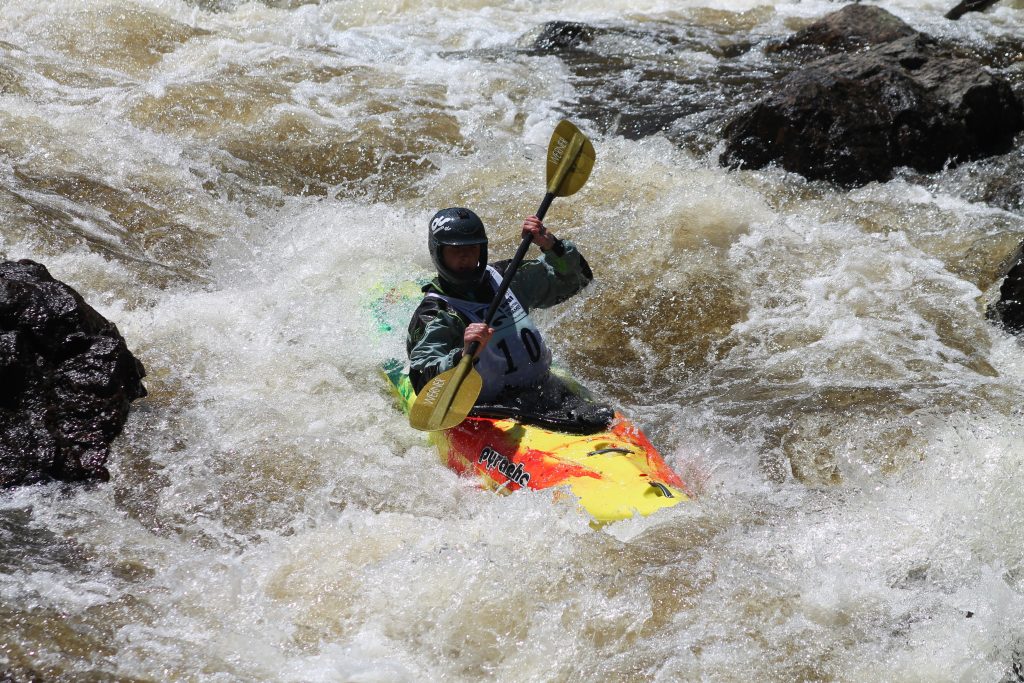
Upon hearing this news, I too had to question whether I had just made a mess in my own dry pants. Gerd Serrasolses is one of the best kayakers in the world, a previous Sickline Champion, and his primary job is to go (very) fast in his kayak. There were not very many people that gave me much of a chance against Gerd. For myself, I honestly relished the chance to race against the 2015 champion; partly because I love a challenge and there is no shame in losing to someone of his calibre, but also because it meant that my race strategy was made up. There would be no thoughts of having a conservative run, I would have to go all out, all guns blazing, nailing perfect lines, and with the aim to try so hard that I vomit at the finish line.

I am pleased to say that although I tried exceptionally hard and put down a run that was very close to the previous course record, I didn’t throw up at the finish line. This run was also enough to beat Gerd and advance to the next round (Sorry, Gerd!).
The same friend came up to congratulate me and to inform me of who I would be racing against in the semi finals…
*Same glum, sympathetic expression*
“Dane… you have to race against Dane (bl@@dy) Jackson!”
Righto, same tactic as the previous round, except I will try even harder this time.
I gave it everything I had on this run but unfortunately, as is true in so many instances, I tried too hard and rushed moves in the wrong places, where waiting just a little bit for the kayak to settle down again would have enabled me to be quicker. I made some mistakes and had a run that was much slower than my lap in quarterfinals, whilst Dane had a blistering run and set a new course record; just like that, my first Sickline race was over. I have no shame in losing to Dane, he’s one of my best friends, by far the best kayaker in the world right now, and has been coming to Sickline for seven years; I only wish that he could have gone on and won the whole event, but unfortunately he finished in fourth.

I honestly didn’t think I would like this event as much as I did; I generally don’t like competing because I have to rest and not kayak as much as I want to in the lead up to events, and then have to wait around all day to do a minuscule amount of kayaking. However, the lead up to Sickline was absolutely the best environment for progression that I have ever been in; myself and my friends would work on laps all morning, go and review our kayaking on video at lunch, and then go back and do more sessions and video review in the afternoon. When I think about my first lap down the course compared to my 87th (my quarterfinals lap), I am really proud and happy with the progression I made. Despite this, I am far from content, largely due to one niggling thought – “I can go faster”.
The fire is lit, the motivation is there, and I look forward to returning to Sickline in 12 months time after a whole year’s worth of progression.
With thanks to all my friends, family, and sponsors.
See you on the water,
Bren
Photos by Adrian Mattern and Dane Jackson
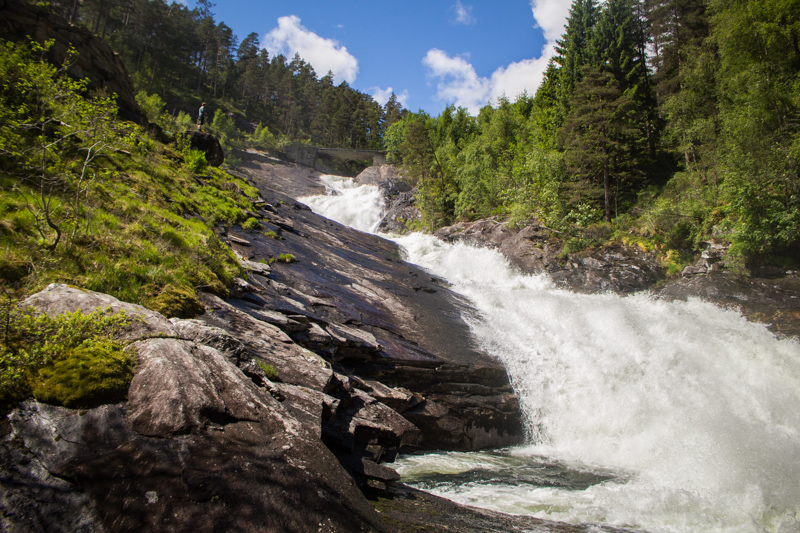
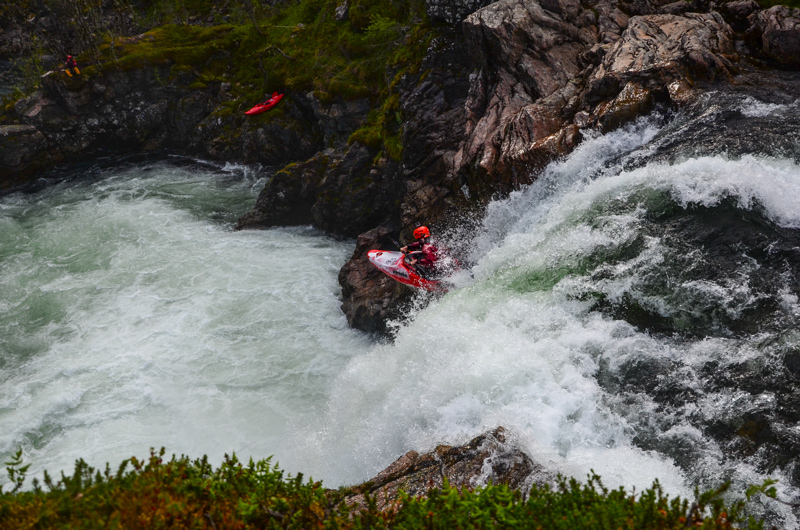
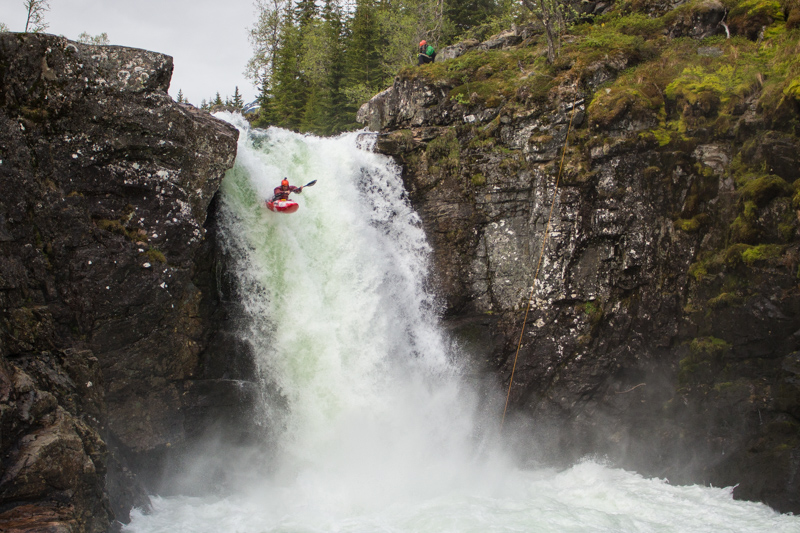
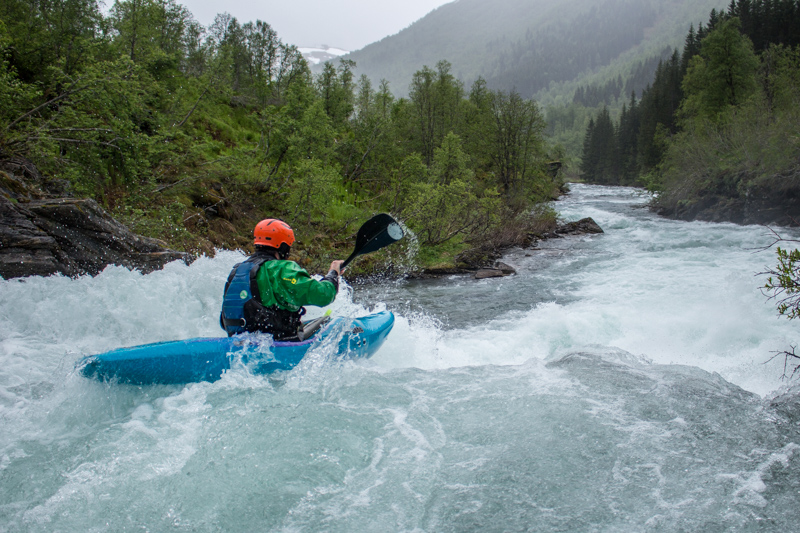
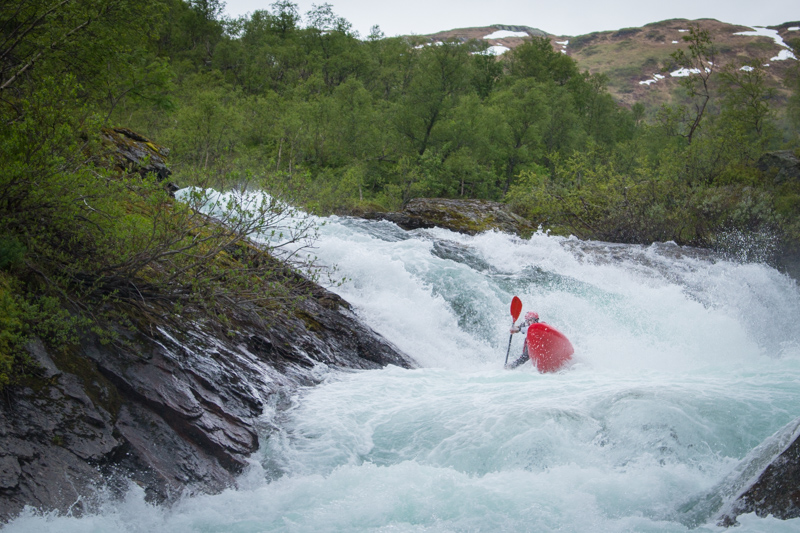
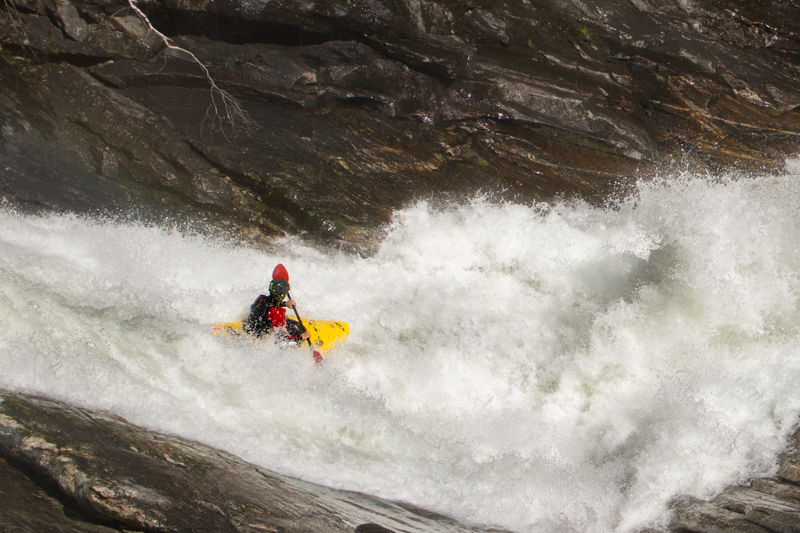
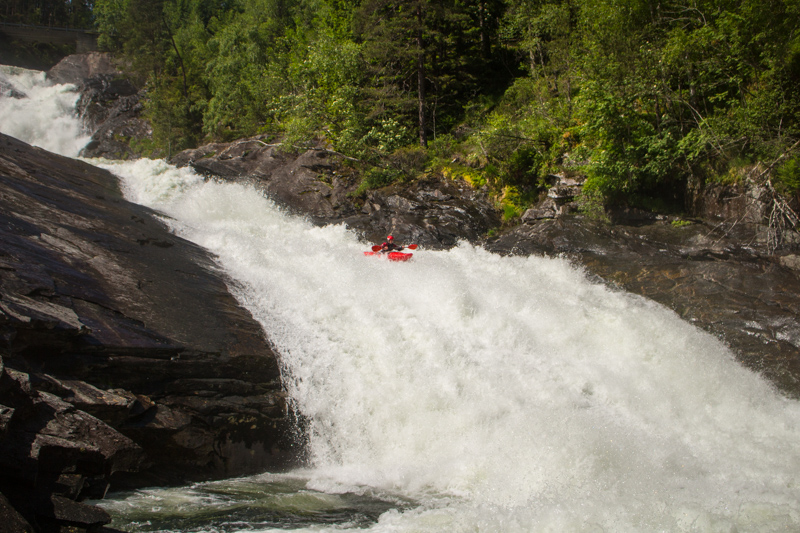
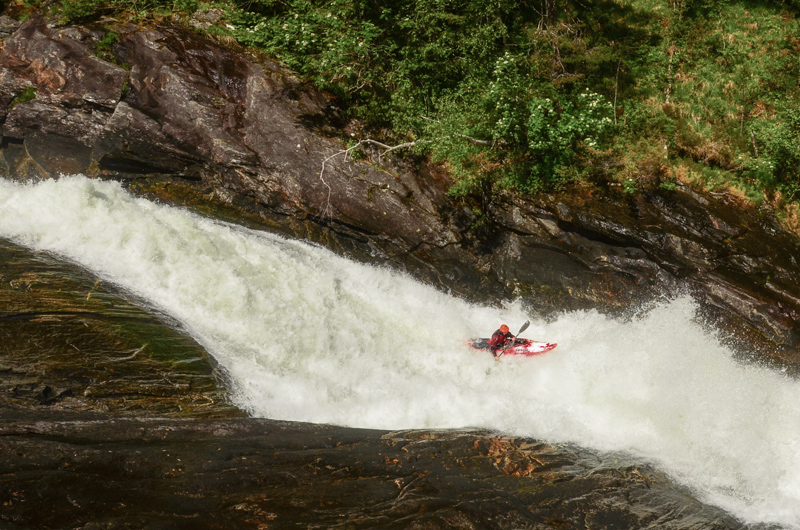
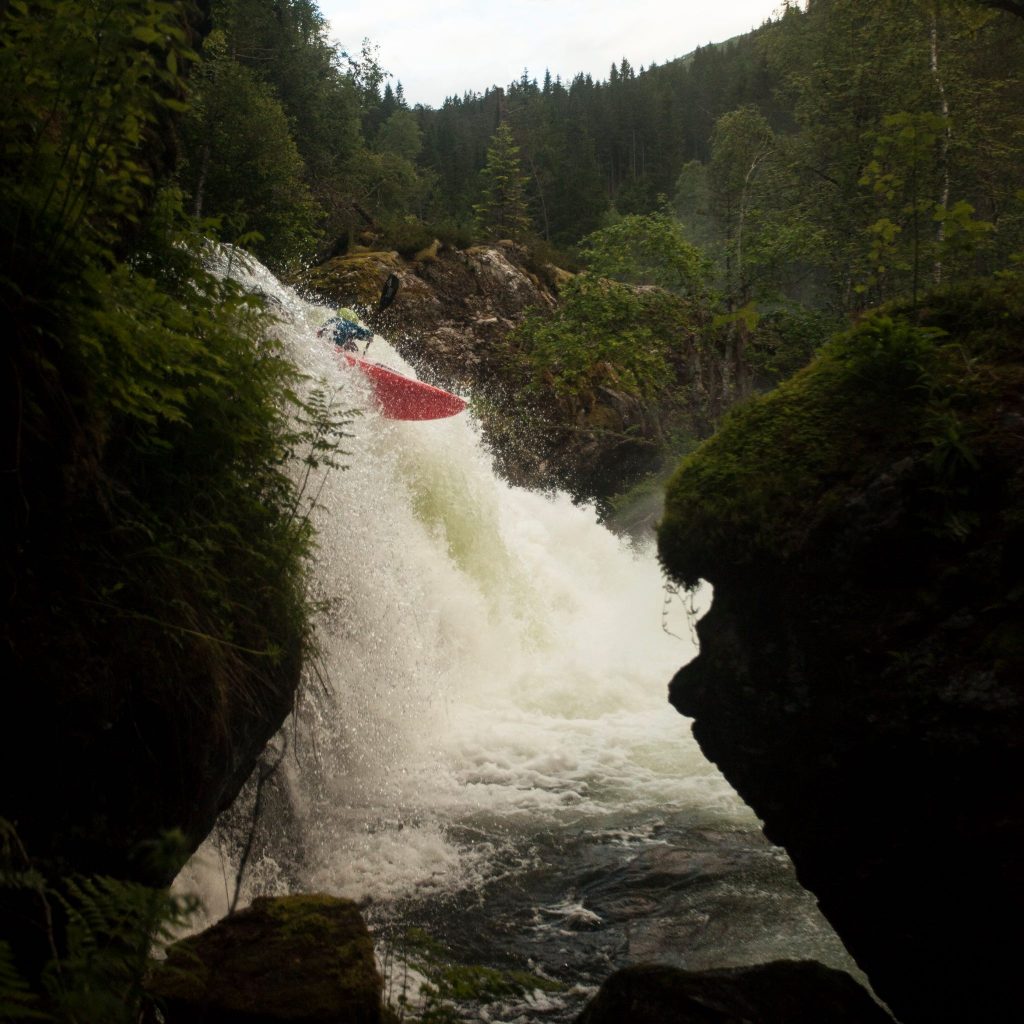
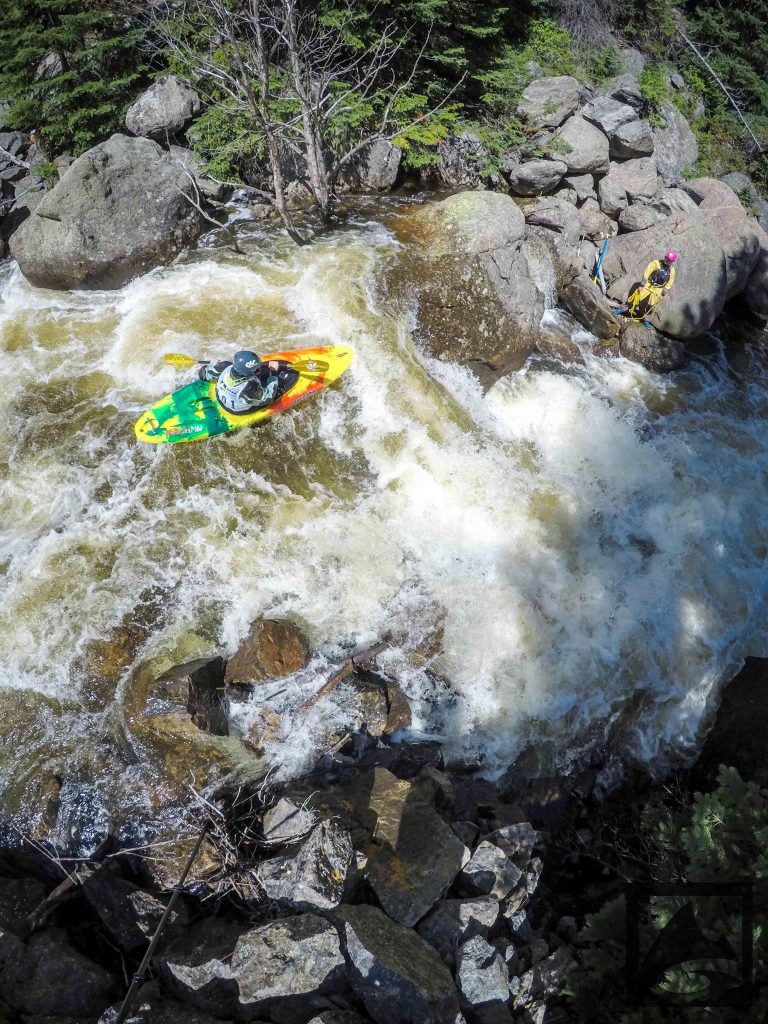
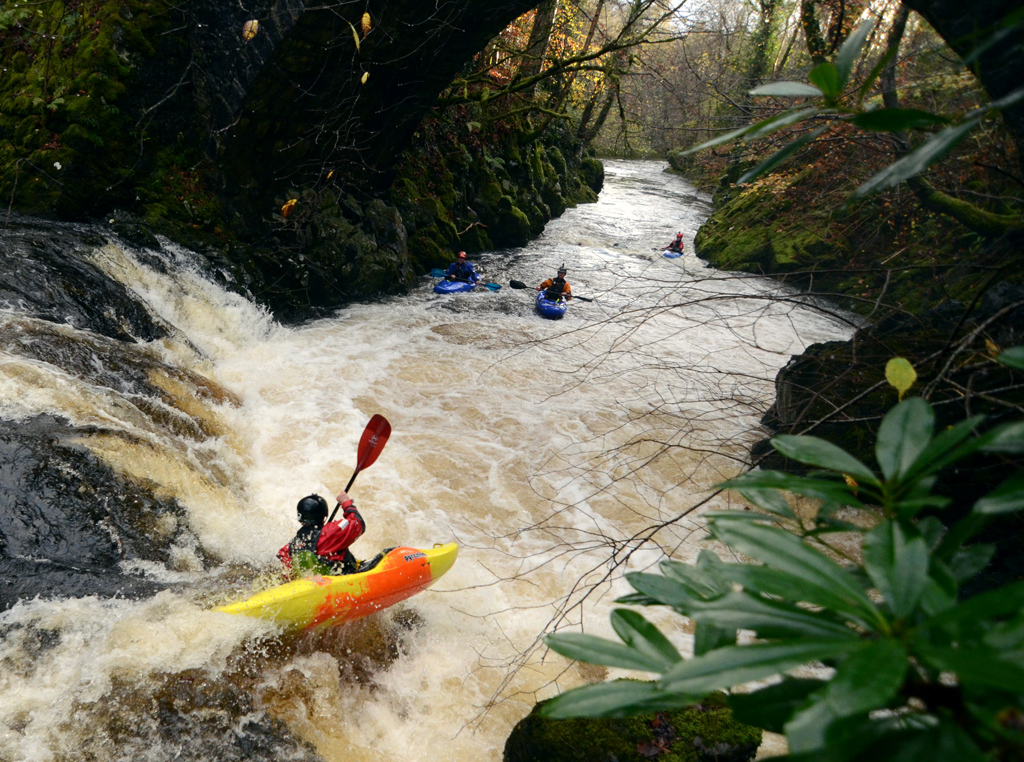
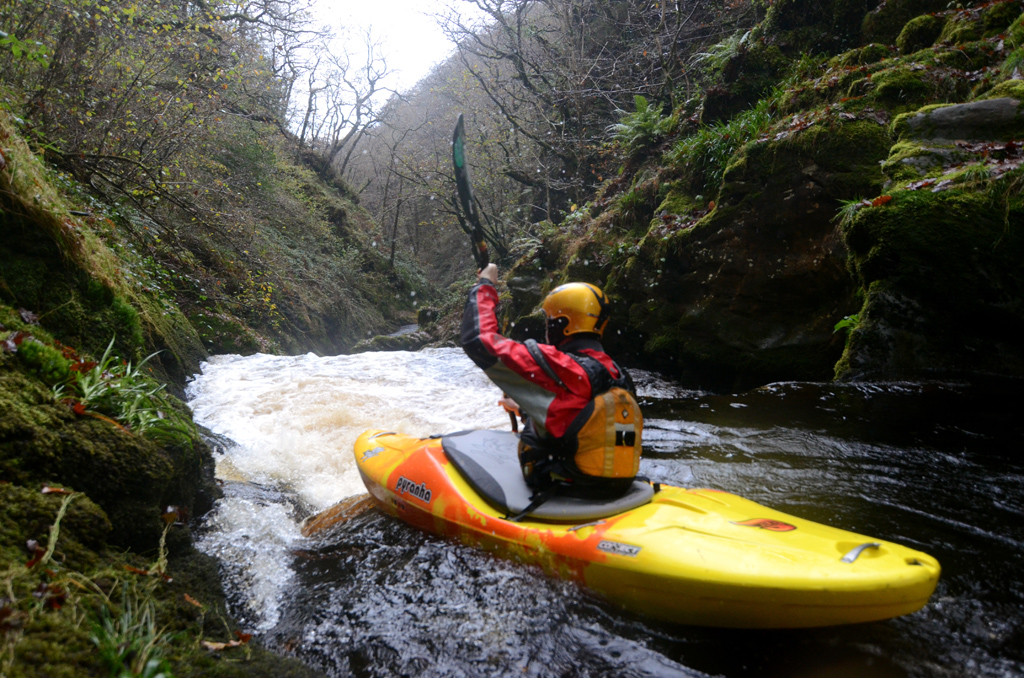
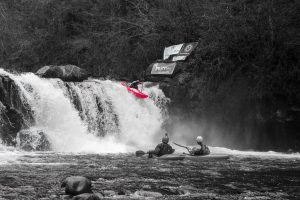
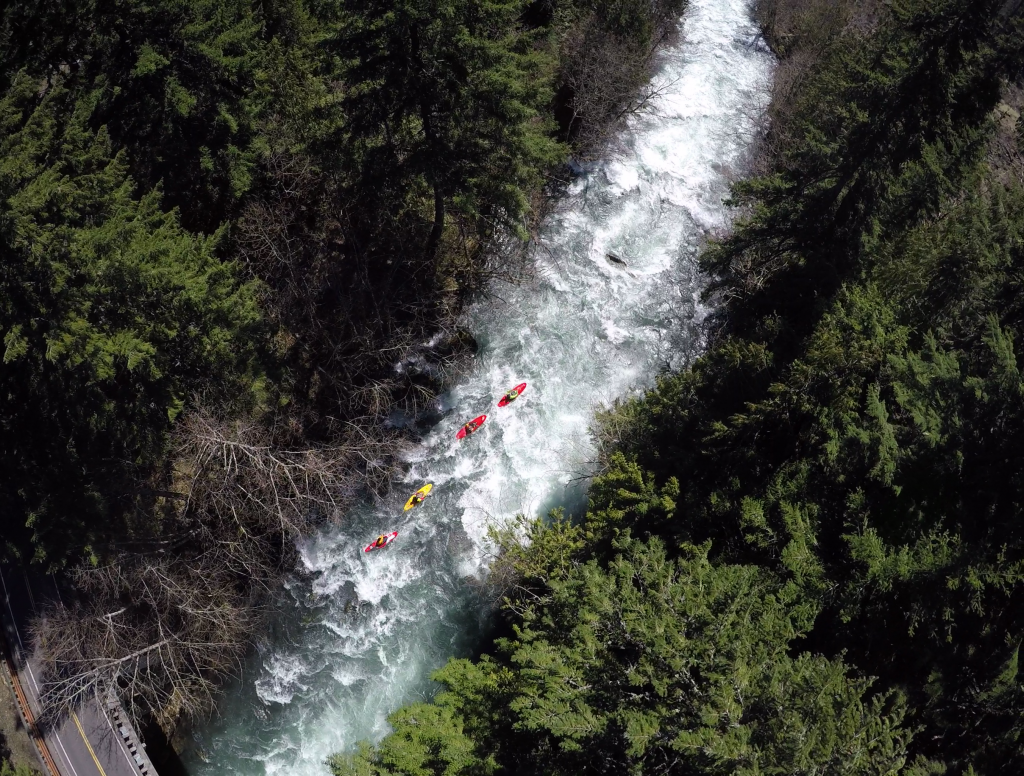 The Pacific North West has earned itself a reputation as one of the best destinations for kayaking in the world. Home to a diverse selection of rivers, slides and waterfalls, the area is a geographical paradise for all level of kayakers but especially those looking to pursue the art of free fall. The waterfalls in this area are among some of the tallest (run-able) waterfalls in the world and several world records have been broken here. There is no limit to how big you can go with waterfalls in the PNW but it is also home to one of the most legendary sections of river in our sport, the Little White Salmon.


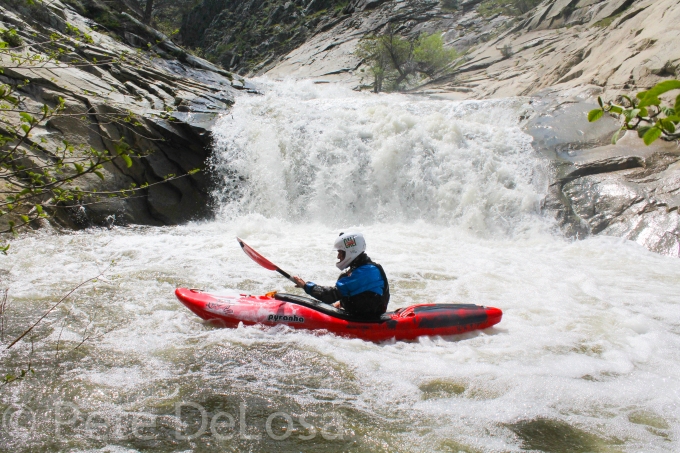
 Ok I guess you’ve waited long enough. You’ve probably seen the pictures and video already. I don’t think I’ve ever gotten this much media coverage on the internet for anything I’ve ever done, but sure enough I take a swim and suddenly I’m famous. So, for those wondering here’s how it went down. Dave drove into town Friday evening having never paddled Brush creek before but planning to race the next day. It was already too late to go up that night so we got started early the next morning. I had already done six or eight practice laps the previous couple days so I went up to show Dave what I thought were the fastest lines for the race course. We’re coming into a rapid called triple drop, which oddly enough is a series of three ledges. There aren’t many eddies so I look over my shoulder on the way in and say “justrun the all down the right.” Upon looking back downstream I note I’m a little late getting right. No problem. I can use that small eddy to help me get there. I made a slight miscalculation and suddenly found myself spun out in the eddy and drifting out the back of it. I took a quick look at the approaching ledge and decided there wasn’t enough time to spin back around. “I definitely don’t want to drop in sideways,” I thought to myself, “I’ll have to run it backwards.” I took my best attempt at a switch boof stroke, but alas it wasn’t good enough. Perhaps that majestic California Boof Stork was lurking somewhere near by. I fell into the hole and was immediately locked into a side surf struggling to keep upright. Dave and Ethan both landed on me and I didn’t budge. I tried going forward and backward but was unable to move an inch in either direction. I tried flipping over but to no avail. With noting working at all I new I had only one option left. Swim. Reluctantly and all too aware that my padawan learner was just down stream I pulled the yellow tab of surrender and was quickly removed from my kayak. I was lucky in that I came right up to the surface and was able to swim into a micro eddy and a small hold on the icy granite before swimming the following ledges. It would have been four years in June, but I guess we all must swim sometimes. At least I got a free beer out of it.